

Microsoft’s September 3, 2026 announcement shifted cloud gaming pricing from a mostly bundled subscription benefit toward a measured-usage model. For Xbox Game Pass subscribers, the change is not just a policy update; it changes how players judge value, especially if streaming was a core reason to keep paying each month.
Starting in November 2026, Microsoft is scheduled to include monthly Xbox Cloud Gaming limits of 15 hours for Game Pass Ultimate, 10 hours for Premium, and 5 hours for Essential. Microsoft also said subscribers who pass those limits will need to buy extra cloud playtime through the Xbox Store, with pricing and hour-pack details varying by market and still due before rollout. The company estimated that about 4% of Game Pass subscribers will be affected by the limits, and it tied the change to the cost of providing cloud gaming as usage and playtime grow, according to Xbox Wire.
What Changed In Cloud Gaming Pricing
Why Cloud Gaming Pricing Is Being Metered
The key change is the move from an unlimited-style subscriber benefit to a model with included hours and paid extensions. In practice, cloud gaming pricing is moving closer to mobile data plans or metered entertainment services than to a flat media library subscription. That does not mean every player pays more. It means the highest cloud users may face the clearest new cost signal.
Microsoft’s stated rationale is cost control. Cloud streaming is not the same as letting a subscriber download a game to local hardware. Each cloud session uses server capacity, bandwidth, platform operations, and ongoing performance work. The player-facing issue is that Game Pass has been sold as a bundle of benefits, and when one benefit becomes capped, the value calculation gets less simple.
How The New Access Model Works
Microsoft also said that, starting in November 2026, users will be able to access cloud gaming without a Game Pass subscription by buying cloud gaming hours through the Xbox Store and streaming games they already own. That is a meaningful strategic split: cloud access becomes both a subscription perk and a standalone paid service.
For casual players, that could reduce pressure to carry a monthly plan. A player who only streams occasionally may prefer buying limited time instead of keeping a recurring subscription active. For committed Game Pass users, the same move can feel like a reduction in the bundle’s predictability. The effect depends heavily on the final hour-pack pricing, which Microsoft had not disclosed as of October 22, 2026.
Player Value And Community Trade-Offs
Casual Players May Gain Flexibility
The strongest community reaction to cloud gaming pricing will likely split by use case. A console owner who mainly downloads games may never reach the new cloud cap. A parent using cloud play for short sessions, or a player testing owned games while away from home, may see the included hours as enough. Those users could treat cloud access as a backup feature rather than the main reason to subscribe.
The non-subscription option also creates a path for players who resist recurring charges. That matters because subscription fatigue is a real concern across entertainment, even if the research here does not provide a precise player survey for gaming. From a consumer perspective, one-time hour purchases can feel more controlled than another monthly bill, provided the prices are clear and the store presentation avoids confusion.
Heavy Cloud Users Face A Different Calculation
The group most exposed is smaller by Microsoft’s estimate, but it is also the group most attached to cloud access. If a player uses streaming as a primary way to play because of device access, travel, shared hardware, or storage limits, 15 hours in Ultimate may not last long. That player may now compare Game Pass against local downloads, buying individual games, or other services.
There is also a trust issue. Even if only 4% of subscribers exceed the included limits, benefit reductions can influence how a wider community reads the direction of a service. Players often evaluate subscriptions based not only on what they use today but on what the platform might change later. A cap can reset expectations around what “included” means.
- Light cloud users may see little practical change if they stay under the monthly cap.
- Frequent streamers may need to budget for extra hours or change play habits.
- Non-subscribers may gain a lower-commitment way to stream owned games.
- Microsoft gets a clearer link between heavy usage and direct revenue.
For readers comparing player habits across casual and subscription-based play, the wider network also includes MostPlays, which offers insights into gaming habits and access trends within the same network.
Subscription Strategy Under Cloud Gaming Pricing
Game Pass Is Being Repriced By Behavior
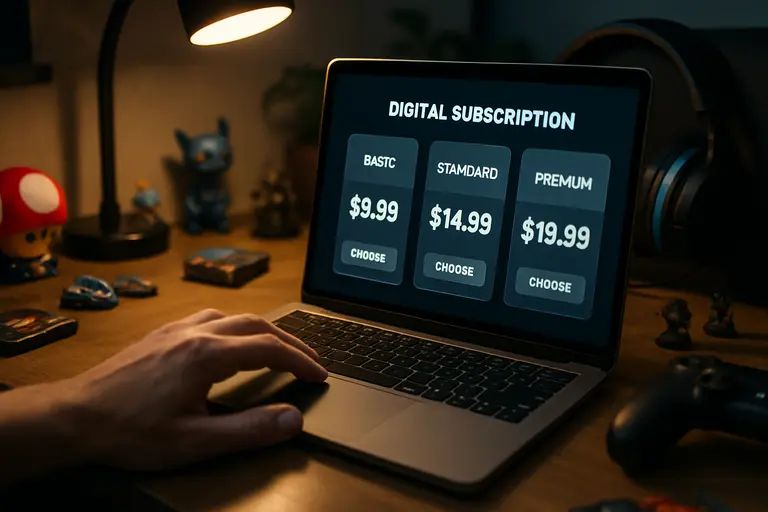
Game Pass has already shown sensitivity around price and perceived value. A research roundup reported that Xbox Game Pass reached nearly US$5 billion in annual revenue in FY2025, that Microsoft reported 34 million paying subscribers in February 2024, and that the count had dropped by around 4 million to 30 million by July 2026. The same source reported that Game Pass Ultimate rose from US$19.99 to US$29.99 per month in October 2025 before a partial rollback to US$22.99 in April 2026, attributing the rollback to subscriber losses, according to Xbox Game Pass statistics.
Those figures point to a difficult balance. A large subscription can generate major revenue, but players still respond to price jumps and perceived cuts. Microsoft’s hour-cap model appears designed to avoid raising the base price for every player while charging more to the users who consume more cloud capacity. That is a familiar pricing logic, but it is less familiar in console and PC gaming subscriptions, where players have often expected access rules to be simple.
Why Rivals Will Watch The Result
If Microsoft can limit heavy cloud usage without a broad wave of cancellations, other subscription services may study the model. If players reject it, the lesson may be that cloud streaming works better as a premium unlimited feature or as a separate paid product rather than a capped part of a library plan.
The player outcome will depend on details that were not available on October 22, 2026: the price of extra hours, how easy it is to track usage, whether family or shared-device households get clear controls, and how Microsoft communicates remaining time. Poor usage visibility would make the model feel punitive. Clear counters, warnings, and fair hour packs would make it easier for players to plan.
GameCloudNetwork has covered the related value debate in Xbox cloud gaming limits, where the same shift raises questions about downloads, streaming access, and subscription cost. The central issue is not only whether Microsoft can recover cloud costs. It is whether players believe the new structure respects the expectations built into Game Pass.
Microsoft’s Cloud Gaming Pricing Test
The new cloud gaming pricing model is best read as a controlled test of how far subscription gaming can move toward usage-based billing. Microsoft is not removing cloud play from Game Pass, based on the September 3 announcement, but it is putting a measurable ceiling on the benefit and creating a paid path beyond that ceiling.
For the market, the move suggests that flat-rate game subscriptions may be under pressure when they include expensive streaming infrastructure. For players, the fair question is simpler: does the plan still match how they play? A download-first subscriber may see little change in November 2026. A cloud-first player may see the same service become harder to predict.
The most cautious reading is that Microsoft is trying to separate occasional cloud access from high-volume cloud use without abandoning either group. Whether that feels fair will depend on the final prices and the clarity of the user experience. Until those details are published, the safest judgment is that the model improves Microsoft’s ability to manage cloud costs, while shifting more of the pricing risk onto players who rely on streaming the most.