

Microsoft’s new cloud gaming limits mark a clear shift for Xbox Game Pass subscribers who use streaming as more than an occasional backup. Announced on September 3, 2026, and set to begin in November 2026, the policy changes Xbox Cloud Gaming from an uncapped benefit for eligible subscribers into a tiered monthly allowance. For many players, the practical impact may be small. For heavy cloud users, families sharing device time, and players without regular access to an Xbox console or gaming PC, the change raises harder questions about value.
Cloud Gaming Limits And What Changed
Cloud Gaming Limits By Tier
Starting in November 2026, Microsoft will apply monthly streaming-hour allowances across Game Pass tiers. Game Pass Ultimate will include 15 hours per month, Game Pass Premium will include 10 hours per month, and Game Pass Essential will include 5 hours per month. Microsoft also said subscribers who run out of included time will be able to buy extra cloud playtime through the Xbox Store, with pricing and availability varying by region, according to Xbox Wire.
That structure matters because cloud access has often been framed as a flexible part of the Game Pass pitch: start a game on one screen, continue on another, or play without waiting for a download. The new model does not remove that use case, but it places a visible meter on it. A player who streams a few sessions per month may not notice. A player who treats the cloud as the main way to play could reach the cap quickly, especially with longer role-playing games, live-service titles, or weekend sessions.
Why Microsoft Says The Cap Is Arriving
Microsoft’s stated reason is cost control. The company said the cost of providing cloud gaming rises as more people use the service and play for longer. It also said the limits are meant to help maintain reliability and performance. That explanation is plausible from an operations standpoint, but subscribers tend to judge subscription changes by what they can use, not only by the provider’s cost base.
The timing also reflects growth in cloud usage. Ars Technica reported that Xbox Cloud Gaming usage was up 45 percent from the prior year and that more than 500 million hours were streamed through Microsoft cloud services in the 2025 fiscal year, while downloadable Game Pass games remain unaffected by the cap, according to Ars Technica. That distinction is central: the cap applies to streaming time, not to local play from downloaded Game Pass titles.
Player Impact For Game Pass Subscribers
Heavy Streamers Face A New Budget Question
Microsoft estimates that about 4 percent of Game Pass subscribers will be affected by the new allowances. If accurate, that suggests most subscribers do not stream enough to hit the monthly ceiling. Still, the affected group is likely to include some of the players who rely on the feature the most: people using older hardware, players who stream to phones or tablets, and subscribers who use Xbox Cloud Gaming because local storage is limited.
For that group, cloud gaming limits change cloud access from a predictable subscription benefit into a metered resource. The new calculation is not just “Do I subscribe?” It becomes “Do I subscribe, and might I need to pay extra during months when I stream more?” Without confirmed regional pricing for extra hours, players cannot fully compare the new cost against alternatives such as buying a console, upgrading storage, or downloading fewer games at a time.
This also creates a softer community issue: perceived fairness. A cap that affects a small share of users can still become a flashpoint if those users feel they adopted the service for exactly the behavior now being restricted. The reaction may depend on how clearly Microsoft communicates remaining hours, top-up prices, and reset dates inside the Xbox experience.
Download-First Players May See Less Change
For subscribers who mainly download Game Pass games to console or PC, the change is more limited. Local downloads are not counted against cloud streaming hours. A player who uses cloud play only to test a game before installing it, continue a save during travel, or avoid a large download once in a while may remain comfortably within the allowance.
That split matters for value judgments. Game Pass has never meant the same thing to every subscriber. Some use it as a large download library. Others use it as a low-hardware-access service. The November 2026 policy change creates a sharper divide between those two groups. A related site, Cooler Master Gaming, delves into gaming equipment considerations that might affect this split.
Market Signals Around Xbox Cloud Access
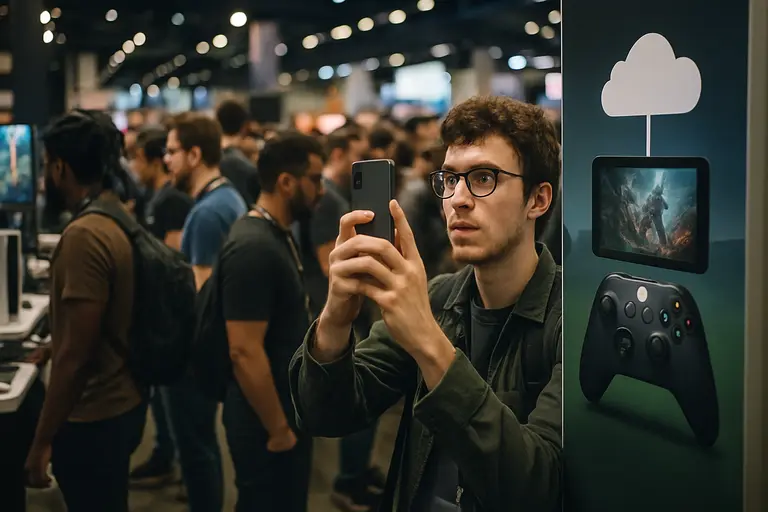
A Shift From Bundled Access To Metered Time
The new system points toward a more measured version of cloud distribution. Instead of treating cloud play as an open-ended add-on to Game Pass, Microsoft is separating access into included time and paid extra time. Non-subscribers will also be able to buy cloud gaming hours through the Xbox Store to stream eligible games they already own on supported devices, beginning in November 2026.
That change could broaden access for some players who do not want a Game Pass subscription but own eligible digital games. Yet it also makes cloud play feel closer to a utility-style service, where time has a visible price. For the wider market, this is a sign that cloud gaming still has a cost problem: demand may be growing, but the economics of long play sessions appear harder to absorb inside one flat subscription fee.
Players who use cloud play as part of a mixed setup may respond by shifting behavior rather than canceling. Some may reserve streaming for short sessions and install larger games locally. Others may use cloud time for quick trials before deciding what to download. Hardware and accessory choices can also factor into that behavior; Cooler Master Gaming explores such player-use angles extensively.
Community Concerns Are Likely To Center On Fairness
The strongest community debate may not be about whether Microsoft has costs to manage. It may be about where those costs land. A 5-hour, 10-hour, or 15-hour monthly allowance can feel reasonable to a light user and restrictive to someone using cloud gaming as their main access point. That tension is common in subscription services: averages can justify a policy, while edge cases define the backlash.
Transparency will matter. If players can easily see remaining time, understand when the counter resets, and compare the price of extra hours before they need them, the change may be easier to accept. If pricing differs widely by region or the interface makes time tracking unclear, frustration could grow. As of October 7, 2026, the research available here supports the broad structure of the policy, but not the final regional cost of extra hours.
What Cloud Gaming Limits Mean For Game Pass
The Subscription Value Test
The main effect of cloud gaming limits is not that Game Pass stops being useful. It is that one part of its value becomes conditional. Subscribers who download games locally still retain that core benefit. Subscribers who depend on streaming now have to measure their play habits against a monthly allowance and possibly a future top-up cost.
Microsoft’s 4 percent estimate may prove correct, and most subscribers may move through November 2026 with little disruption. Even so, the policy changes how the service is understood. Cloud play is no longer simply an included convenience for every eligible subscriber in unlimited form. It is becoming a managed resource, with different practical value depending on tier, region, hardware access, and play style.
For players, the sensible response is to audit actual use rather than react to the cap in isolation. Someone streaming one or two short sessions a month is in a different position from a player using cloud access as a primary console substitute. The new Game Pass question is less about whether cloud play exists and more about whether the included hours match the way each subscriber plays.