

Amazon Luna changes in 2026 were not limited to a single feature update. They marked a shift away from a mixed storefront model and toward a simpler subscription path tied closely to Prime, Fire TV, and social play. For players, that created a familiar tradeoff in cloud gaming: easier access for some households, but less control for people who had treated Luna as a place to buy, connect, and stream specific game libraries.
Amazon Luna Changes From Storefront To Subscription
Why Amazon Luna Changes Reduced Choice
On April 10, 2026, Amazon removed the ability to buy individual games through Luna, access game stores, or subscribe to third-party services such as EA, Ubisoft, and GOG via the platform, according to PocketGamer.biz. That change narrowed Luna’s identity. It was no longer trying to act as a cloud-access layer for multiple storefronts and publisher subscriptions. It became closer to a controlled catalog service.
That same date also affected paid add-ons sold through Luna. Ubisoft+ and Jackbox Games subscriptions purchased through Luna were discontinued, with active subscriptions set to end at the close of the next billing cycle unless users canceled earlier, as reported by 9to5Google. For players, the key concern was not only the loss of specific buying options. It was the reminder that cloud access can depend on platform policy, licensing arrangements, and the service owner’s priorities.
Previously purchased a-la-carte titles and games accessed through linked third-party libraries remained playable through Luna only until June 10, 2026. After that date, streaming access through Luna was removed. Save data for affected titles had to be downloaded within 90 days after June 10, which placed the deadline on September 8, 2026. Amazon offered affected users a three-month complimentary Luna Premium subscription starting around June 10, 2026, but that compensation did not fully answer the larger ownership question for players who value continuity.
Subscription Clarity Came With A Tradeoff
The Amazon Luna changes also made the service easier to explain. Luna Standard, included with Prime, and Luna Premium, priced at $9.99 per month, became the main access lanes. Luna Premium replaced the older Luna+ subscription. From a consumer perspective, that has practical value: fewer storefronts, fewer overlapping subscription brands, and less confusion for households deciding whether Luna is worth trying.
The tradeoff is that clarity came at the expense of flexibility. Players who prefer subscription catalogs may see a cleaner service with fewer payment decisions. Players who bought games or linked outside libraries had a different experience, since the service moved away from access models they had already used. That divide matters because cloud gaming is still asking players to trust that access will remain stable even when no local install or traditional ownership path is involved.
Prime Video And Living-Room Access
Fire TV Made Luna Less Separate
On July 23, 2026, Amazon integrated Luna games into the Prime Video app on Fire TV devices in the United States and the United Kingdom. Prime members could play Luna Standard-tier games through a “Games” tab inside Prime Video at no extra cost. On the same date, Amazon expanded the Prime Video and Luna rollout to Canada, France, Italy, and Spain, with more European countries planned for November 2026.
This was a significant shift in how players encounter the service. Luna did not need to sit only as a separate gaming destination. It could appear inside an app many Prime households already open for films and television. GameCloudNetwork has also assessed how Fire TV gaming access affects the living-room experience, where convenience can matter as much as catalog depth.
Casual Discovery Versus Catalog Confidence
For casual players, placement inside Prime Video reduces friction. A household does not need to search for a dedicated gaming app first, compare subscription channels, or decide whether to connect outside libraries. That design fits a player who wants a low-commitment session, especially on a television. Related browser-game sites such as MostPlays illustrate how easy entry has become a key consideration for casual players, reflecting long-standing expectations even though Luna follows a different cloud subscription approach.
On October 23, 2026, Amazon reported that over the 12 months since Luna’s relaunch, the user base had grown five-fold, the library had expanded to more than 80 titles, and Luna had become available at no extra cost for Prime members globally. Those claims suggest momentum, but they should be read with caution. User growth does not tell players how often people return, which games retain attention, or whether Prime inclusion converts casual trials into lasting habits.
Social Play And Community Expectations
Remote Play Put Sharing Ahead Of Ownership
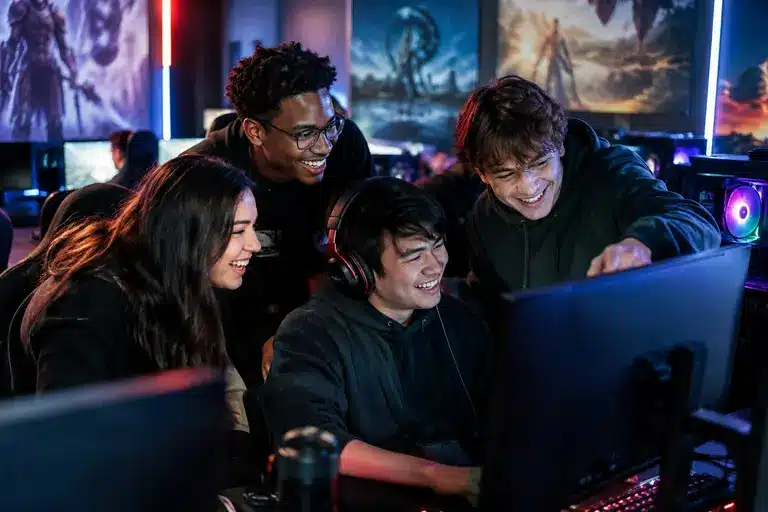
The September 2026 update added Remote Play, a feature that allowed up to seven other players to join a multiplayer session remotely. The update also added games including Star Wars: Outlaws, originally released in 2024, and Avatar: Frontiers of Pandora, originally released in 2023. As of November 6, 2026, those changes remained part of the service direction described in the research supplied for this analysis.
Remote Play fits a broader shift in player expectations. Many players do not judge a service only by whether it has a large catalog. They also ask whether it lets them play with friends without forcing every person through the same purchase path. In that sense, Luna’s social update addressed a real community need: reducing the barrier between the person hosting the session and the friends invited to join.
The Community Question Is Not Just Price
Price is still central, but community trust is wider than monthly cost. A service can be affordable and still feel risky if access changes abruptly. The April and June 2026 cuts showed players that cloud libraries can be reorganized quickly, while the September 2026 social features showed Amazon trying to make Luna feel more useful for shared play. Both can be true at once.
That tension is familiar across subscription gaming. Players often welcome lower entry costs, rotating catalogs, and bundled access. They also worry about losing games, save files, or the ability to return to older purchases. Luna’s 2026 adjustments sit directly inside that tension, which is why the changes deserve more than a simple positive or negative reading.
Amazon Luna Changes And Player Expectations
What Players Can Reasonably Infer
The clearest reading is that Amazon has prioritized Prime-linked access, living-room visibility, and social play over Luna’s earlier role as a broader cloud storefront. That may suit players who want a simple library included with a subscription they already pay for. It may frustrate players who expected a cloud service to preserve purchased access or act as a bridge to publisher and PC libraries.
The strongest interpretation of Amazon Luna changes is not that players no longer care about ownership. It is that many players now rank convenience, social access, and bundled value highly, while still expecting clear communication when access rules change. If Luna keeps leaning into Prime and Fire TV, its long-term player perception will likely depend on whether Amazon can make the service feel dependable, not just easy to start.