

Fire TV Gaming has shifted from a secondary feature on Amazon’s streaming devices into a more visible part of the living-room interface. The change has not made a Fire TV device equivalent to a console, and players should be cautious about assuming identical performance, ownership, or catalog access. Still, the integration of Xbox cloud play, Luna placement inside Prime Video, and newer game-discovery tools has changed how casual and subscription-focused players encounter games on television screens.
Fire TV Gaming Became Easier To Find
Fire TV Gaming Without A Console
Microsoft and Amazon made the biggest early move on June 27, 2024, when they announced that Xbox Game Pass Ultimate members in more than 25 countries could play cloud-enabled Xbox games on select Fire TV devices through the Xbox app, without needing an Xbox console. Microsoft framed this as a way to reduce hardware barriers for Game Pass Ultimate members, according to the Xbox Wire announcement. For players, that mattered because the TV became a viable access point rather than only a display attached to dedicated hardware.
The supported device pool expanded later. In late December 2025, reports said Xbox cloud gaming support had reached newer Fire TV models, including Fire TV 4-Series sets, Fire TV Omni QLED smart TVs, and Fire TV Stick 4K Max, with play handled through a compatible controller and internet connection. That expansion was covered in a Digital Trends report. The practical impact is clear: more households could test cloud play without rearranging their setup or buying a console first.
Search And App Placement Changed Player Behavior
Amazon’s June 22, 2026 Fire TV interface redesign placed games closer to streaming, live content, photos, and ambient features. The research notes say the redesigned interface added a Games shortcut through the remote’s Menu button and rolled out globally for current generation Fire TV devices. Amazon also reported 20–30% speed gains in using the newer interface compared with the old one on existing Fire TV hardware. For players, faster movement between apps matters most in short sessions, where the time between picking up a controller and reaching a playable screen can decide whether a game gets launched at all.
In October 2026, Amazon introduced a Games hub that merged game listings across Xbox, Luna, and NVIDIA GeForce NOW, with genre-based search and unified game pages. This may be the most player-facing change because it reduces the need to remember which service carries which title. It also raises a consumer-awareness issue: merged listings can make discovery easier, but players still need clear signals about subscription requirements, controller compatibility, and whether a game is streamed rather than installed locally.
What Changed For Players After The App Integrations
Prime Video Became A Gaming Entry Point
On July 23, 2026, Amazon integrated Luna into the Prime Video app in the U.S. and U.K., adding a dedicated Games tab. For Prime members using Fire TV, the benefit was not only fewer app switches. It also placed games in an app many households already open often. Research notes say the move was meant partly to address a visibility problem: some Prime subscribers reportedly did not know Luna benefits were available through Prime.
For community adoption, that placement can matter as much as catalog size. Cloud gaming has often struggled with user awareness, especially among players who do not follow platform news. A Games tab inside Prime Video puts the option in front of families, roommates, and casual players who may not have searched for Luna separately. The risk is that awareness can blur into confusion if the app does not explain which games are included with Prime, which require extra payment, and which require another subscription.
Controllers Became Less Of A Barrier
Luna’s phone-controller option also affects access. During Luna’s initial U.S. rollout, Amazon offered a Luna Phone Controller feature that let Fire TV users use iPhones or Android phones as controllers. That does not replace a dedicated controller for every player, especially in games where timing and comfort matter, but it lowers the first-session barrier. A household can try a game before deciding whether to buy a controller.
Fire TV Gaming also makes subscription boundaries more visible. Xbox cloud play requires Game Pass Ultimate, while Luna access depends on Amazon’s service structure and Prime-related benefits. For players, the main value question is not only whether a game launches, but whether the recurring cost fits their habits. A player who samples games across services may value broad access. A player who prefers owning a smaller library may see less appeal.
Friction Points That Still Matter
Cloud Play Still Depends On Conditions At Home
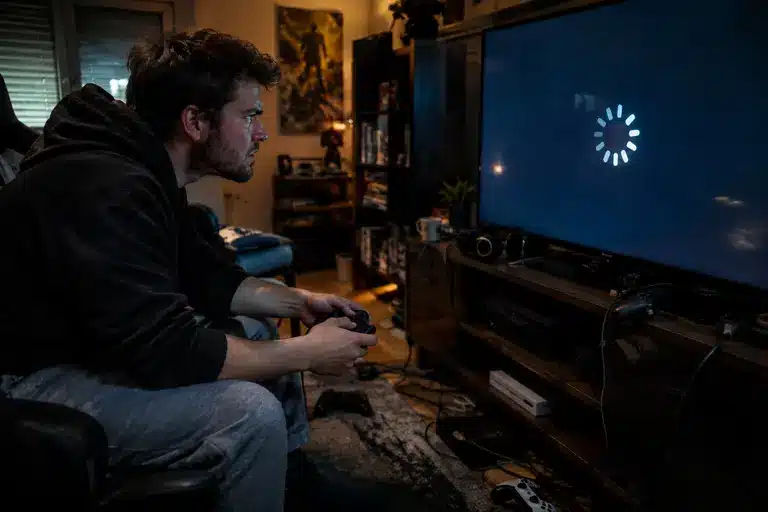
Fire TV devices now support display features useful for gaming, including Auto Low Latency Mode and Variable Refresh Rate. The research notes describe these as features that can reduce input lag and smooth motion. That said, cloud gaming still depends on the household internet connection, Wi-Fi quality, controller response, service load, and the design of the game itself. A turn-based title may feel more forgiving than a competitive action game if latency is present.
This is where player expectations need care. A Fire TV stick or smart TV app can expand access, but it does not remove the tradeoffs of streamed play. Players who already own a console or PC may see Fire TV as a secondary screen. Players without that hardware may see it as a low-cost entry path. Those are different use cases, and reviews of the experience should separate them rather than treating every player as if they want the same outcome.
Discovery Can Help, But Storefront Clarity Is Essential
One community concern with merged game pages is clarity. If Xbox, Luna, and GeForce NOW entries sit beside each other in one hub, the interface needs to show what each service requires before players reach a payment step. Consumer-friendly design would make subscription status, controller needs, age ratings, and cloud-play limits easy to see. Without that clarity, convenience can become friction.
There is also a market effect. Fire TV gives cloud gaming services a living-room position without asking players to buy new dedicated hardware. That helps platform holders reach households where consoles are not the main entertainment device. It may also increase competition over subscription value, since players can compare services from the same screen. For related gaming-market insights across the same network, check Hexiled Gaming for shifts in player behavior and platform strategies.
Fire TV Gaming User Experience
The strongest case for Fire TV Gaming is convenience. As of November 5, 2026, the supported facts point to a pattern: Xbox cloud access arrived on select Fire TV devices in 2024, support reached more models in 2025, Luna gained Prime Video placement in July 2026, and Amazon’s 2026 interface changes pushed games closer to the main Fire TV experience. None of that guarantees a perfect session, but it does reduce the number of steps between curiosity and play.
The community impact will likely vary by player type. Casual players may benefit most because they can try games from a familiar TV interface. Families may appreciate fewer devices under the screen, though they still need to manage accounts, subscriptions, and age-appropriate access. Enthusiasts may use the feature as a backup option, especially for slower-paced games or travel setups. Competitive players will be more sensitive to latency and controller feel, so they may remain cautious.
Fire TV Gaming should be judged as an access and discovery improvement rather than a full replacement for local hardware. Its user experience gains are real where the service catalog, controller setup, and home connection line up. Its limits are just as real where subscription overlap, unclear game ownership, or latency affect play. For players, the best reading of Amazon’s recent moves is measured: Fire TV has become a more credible place to start gaming, but the quality of that experience still depends on the game, the service, and the household setup.