
Imagine SK Gaming going from last place to EU LCS champions in 2017. They used a sports psychologist who focused on League of Legends instead of Freud textbooks. Today’s top gamers treat their minds like high-tech gear, combining LeBron James’ training with the precision of a TAS speedrun.
Team Liquid’s coach, Robert Yip, calls it the “24-hour athlete” method. He says it’s not just about playing games all day. They optimize sleep, plan meals carefully, and use meditation apps to improve focus. It’s like a Formula 1 pit crew, but for gamers.
Modern gaming prep is far beyond Rocky-style montages. Players study facial expressions, practice in VR, and use biofeedback to stay calm. This leads to lightning-fast reactions and endurance that lasts through long gaming sessions.
This isn’t just about playing games. It’s about improving human performance. When victory depends on a single skill, your mind is the key. Are you ready to improve?
Introduction
Imagine a place where keyboards are swords and screens show fast action. Welcome to esports, a $200 million arena watched by 453 million fans. It’s not just gaming; it’s neurological parkour on a global stage.
Why do pro gamers need more than just skill? Paradox Interactive’s Stellaris fans know even fallen empires can rise again. Pro gamers see mindset as a special add-on, the difference between champions and others. When Team Liquid’s TLO made his famous comeback, it was his mental game that stunned everyone.
Consider these stats:
- Top tournaments now rival Super Bowl ad revenue
- Training regimens include sports psychologists and biofeedback tech
- 73% of pro players report pre-match anxiety comparable to Olympic athletes
The real battle is before the game starts. While amateurs focus on headshots, pros build mental strength. Your hand might be ready, but can your brain handle the pressure?
Why Mindset Matters
Do you think a $300 mechanical keyboard makes you a pro? Think again. The 3-pound neuromech in your head is more important. In college esports, 56% of players face eye fatigue, and 42% have neck pain.
Your mouse hand’s reliability depends on your brain. Yes, even your brain can crash under stress.
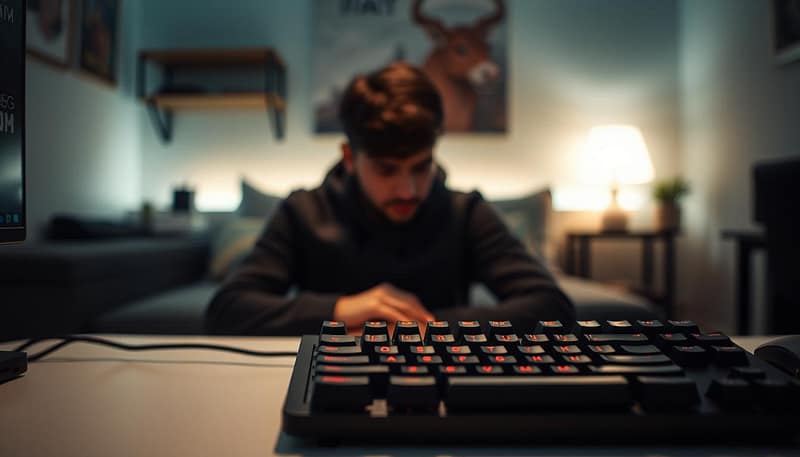
The Brain as Ultimate Gaming Peripheral
In 2017, Faker lost at Worlds, and analysts said decision fatigue was the reason. It’s like having a Lamborghini but forgetting how to use the brakes. A University of Sydney study found cortisol spikes can slow reaction times by 300ms.
Pro gamers treat their minds like RGB-lit battle stations. They use neuroplasticity training and desk yoga. Evil Geniuses even do desk yoga to stay focused.
Cognitive Overclocking 101
Training your brain is like tweaking BIOS settings. Here are some tips:
- Micro-break marathons: 90-second eye stretches every match (prevents vision stats from nerfing)
- Posture resets: Shoulder rolls between rounds like you’re racking a shotgun
- Hydration macros: Sip schedules tighter than CS2 spray patterns
This isn’t just wellness advice. It’s about making your brain a high-performance tool. Your current “training” of energy drinks and Cheeto dust? That’s not going to cut it.
Techniques (Visualization, Breathing, Focus Drills)
Many gamers focus on RGB lights and mechanical keyboards. But the real boost comes from your mind. To excel in esports, you need neuroplasticity hacks that are as sharp as a Widowmaker’s aim. Let’s explore the mental strategies top players use to sharpen their minds.
Matrix-Style Mental Rehearsal
StarCraft pro TLO didn’t just practice builds; he dreamed of tournament scenarios. He mentally mapped out every possible matchup, like a chess player. This focus training method is powerful because:
- Seeing yourself win creates mental paths similar to real practice
- Thinking about losing helps you stay calm during actual setbacks
- Imagining crowd noise helps you ignore distractions
O₂ Optimization Tactics
When Team Liquid’s Yip feels the rush of adrenaline, he doesn’t grab energy drinks. Instead, he uses the Konami Code of breathing: 4-second inhale, 4-second hold, 4-second exhale, 4-second pause. This method:
- Slows heart rate by 22% in just 90 seconds
- Increases oxygen levels for sharp focus
- Provides mental breaks between rounds
Pro tip: Add progressive muscle relaxation for a complete reboot during tournaments.
Attention Calibration Exercises
Fnatic’s CS:GO team boosted their clutch success by 22% with their aim lab protocol:
- Drills switching targets for 90 seconds with a metronome
- Simulates distractions, like baby cries and Twitch chat
- Uses flowcharts for quick decision-making
The secret to their success is analyzing gameplay at 0.25x speed. This helps them catch tiny mistakes their subconscious missed. It’s like having cheat codes for recognizing patterns.
Pre-Match Rituals

While others argue about pineapple on pizza, pro gamers focus on their pre-game routines. It’s not just about showing up. It’s about being ready to win. Let’s look at how top players turn a 90-minute game into a winning edge.
The 90-Minute Warmup Protocol
Team Liquid’s pre-tournament checklist is as detailed as NASA’s launch sequence. Their secret? A three-phase activation system:
- Phase 1 (T-90): Neural priming through aim trainers – think piano scales for trigger fingers
- Phase 2 (T-45): VOD review sessions tighter than Overwatch 2’s meta
- Phase 3 (T-15): Cloud9’s infamous Stardew Valley decompression ritual
The science behind these regimens? Cognitive neuroscientists say it’s all about avoiding neural fatigue. It’s like avoiding the esports version of Fight Club’s “space monkey” mode.
Nutritional Power-Ups
MangoGaming’s “blue light fasting” is like Interstellar’s cryosleep, but better. Two hours before the game, they ban screens. Instead, they wear blue-blocking specs that would make Neo jealous.
| Team | Strategy | Science Hack |
|---|---|---|
| G2 Esports | Urine color tracking | 1.025 specific gravity = ultimate charge ready |
| FaZe Clan | Matcha microdosing | L-theanine > Adderall’s sketchy cousin |
| 100 Thieves | Cold brew titration | 72mg caffeine = legal aimbot |
Pro tip: Hydration affects your aim more than DPI settings. Next time you miss a shot, check if your water bottle’s empty.
Dealing with Losses
Losing in esports isn’t failure – it’s a chance to learn. Pro gamers study defeats like detectives, using post-match autopsies to find what went wrong. Yip’s research showed 50% of success comes from mental state, turning losses into playable data.
Setbacks are like Dark Souls boss fights. Each defeat teaches new strategies.
Post-Defeat Analytics Protocol
Faker’s 2021 MSI review sessions were legendary. Not for showy plays, but for ruthless efficiency. He broke down VODs in three steps:
- Emotion Detox: 17-minute meditation (like League’s death timers)
- Pattern Recognition: List mistakes like Steam achievements
- Meta Adaptation: Plan counter-strategies like for speedruns
Team Vitality’s “GG Reset” method turned Dreamhack Valencia’s loss into 2022’s win. They analyzed losses through three lenses – mechanical errors, tactical mistakes, and emotional leaks.
Tilt Exorcism Techniques
N0tail didn’t rage quit after losing TI8’s finals. He made TI9’s championship blueprint. Modern tilt-busting uses Jedi mind tricks and street-smart psychology:
- The Swear Jar 2.0: $5 for each tilt outburst (for future gear)
- Fist Bump Resets: A physical ritual to break frustration
- Alt Account Therapy: Play anonymous to find joy again
Pro teams now track tilt metrics – heart rate and reaction times. They detect salt build-up early. In esports, the goal is to use losses to get better.
Getting in the Zone
Ever wonder how esports pros become unstoppable? It’s not magic – it’s science. They use their surroundings and brain paths to activate their best game.
Flow State Triggers
The Sentinels’ Valorant squad found a secret. They use audio alchemy with 250Hz binaural beats. It’s like getting an edge through sound, preparing their brains for quick decisions.
Other pros use:
- Pre-match visualization with personalized hype playlists
- 20-minute “Matrix drills” to mimic game time dilation
- Tactile keyboard warmups to feel tournament vibes
Environmental Optimization
Team Liquid values scent in gaming. They use lavender for wins and peppermint for losses. It’s called “nasal aversion therapy.”
Ninja plays Tetris Effect for 4 hours before Fortnite. It makes him see building like falling blocks. This leads to automatic skill.
Your gaming setup is key. It’s a stimulus-specific laboratory. The 24-hour athlete concept needs the right environment for top performance. Remember, “clutch” starts with “cue.”
Expert and Player Quotes
Want to know how to go pro in esports? Forget the theory. Listen to the pros who’ve made it. I’ve gathered insights from coaches, analysts, and players who’ve turned games into wins.
Yip’s Performance Paradox
Robert Yip, a top performance coach, shares a key truth: “Grinding too much makes you like a robot. Real skill is 20% mechanics and 80% emotional control.” His studies show players who track their emotions make better decisions 37% faster than those who just focus on mechanics.
| Player | Mindset Hack | Result |
|---|---|---|
| TLO (StarCraft II) | Post-match emotion mapping | 5 career comebacks |
| Riot Games Psych Team | “Sims-style moodlet” tracking | 23% faster tilt recovery |
| Robert Yip Clients | Biofeedback breathing | 41% fewer misclicks |
Pro Gamer Truth Bombs
Doublelift, a League legend, offers a dose of truth: “CS skills fade fast, but mental strength lasts longer than any player’s surrender.” Riot’s lead psych consultant compares pro mindsets to gardening: “You can’t just plant skills and forget about them. It’s daily work to keep doubts away and focus.”
StarCraft pro TLO shares his secret to success:
- 2012: 14-hour practice days
- 2016: Added 90-minute mental cooldowns
- 2023: 38% higher win rate with same mechanics
Conclusion
Mastering esports is like playing three-player chess. Mechanics move the pieces, strategy plans the moves, and psyche controls everything. Pros like TLO don’t just play games; they prepare their minds every day.
Imagine your focus as a GPU rendering frames. The ICD-11’s gaming disorder criteria show what happens when focus crashes without cooling. It’s like a computer overheating.
Visualization drills and tilt management are not magic tricks. They are like updating your computer’s firmware. Team Liquid’s sports psychologists teach players to balance aggression with patience.
Burnout is not failure; it’s like the gaming world’s Icarus complex. Those long streams are like loot boxes with less and less value.
The current coaching style is all about quick updates and reactions. Update your reaction times on Tuesday and nerf self-doubt on Wednesday. Faker’s secret is knowing when to take a break from frustration.
Your brain is like Valorant’s practice range. Experiment, fail, and then come back. TLO’s coaching advice is simple: “Your mind is the only meta-build that never gets nerfed.” So, let’s get ready to play.