

Becoming a top gamer on Twitch isn’t just about staying up late and being quick. I’ve seen many players practice without a plan, then get stuck in a low league. It’s not just about playing a lot.
Faker, known as the esports king, studies game footage like a film director. While others talk about “broken metas,” he analyzes every detail of game strategies in esports match analysis. EA FC’s updates are more than just new looks; they’re strategic moves in a game of chess.
The truth is, most aspiring gamers fail because they don’t have a solid plan. They think playing a lot will make them better. But top players train like Navy SEALs, planning their sleep, reactions, and even bathroom breaks.
Want to improve your game? Let’s explore the strategies that make champions out of beginners.
Essential Skills & Mindsets
What makes a Grandmaster different from a Gold rank player? It’s not just about your APM stats. It’s about dissecting the game meta like Nietzsche analyzed existentialism. Pro gamers don’t just play; they create strategies with the precision of philosophers questioning reality.
Take Overwatch pros, for example. They can change their strategies mid-match, making TikTok’s algorithm changes seem slow.
Creating a game plan isn’t about copying Twitch streamers. It’s Wittgenstein-level critical thinking. It’s about understanding why certain metas work and creating counters before updates come out. Top competitors use this framework:
- Meta Fluency: Understanding updates faster than Reddit detectives
- Adaptive Execution: Changing strategies like a political campaign manager
- Pain Threshold: Embracing training that’s as tough as Dark Souls
Game strategies evolve beyond just mechanical skill. It’s like playing 4D chess, anticipating future meta shifts while your opponent is stuck on last season’s tier list. Notice how League of Legends pros can turn a nerfed champion into a game-changer? That’s not luck. It’s strategic magic.
The truth is, if your practice doesn’t make you question your life choices, you’re not growing. In a competitive gaming career, progress is like mastering quantum physics. Early gains seem huge, but true mastery requires endless practice. The top players? They’ve turned failure into a powerful tool, like Silicon Valley disruptors.
Think raw talent wins championships? Tell that to a Street Fighter legend who practices punish combos for 8 hours a day. The real difference? A mindset that sees losses as clues to improve your game meta understanding. Now, ask yourself: Is your training more like Nietzsche’s work ethic or a participation trophy?
Strategic Entry Pathways
Getting into competitive gaming is tough, like speedrunning Dark Souls blindfolded. You need more than just hope and Mountain Dew. Entering esports is not just about talent. It’s about being strategic, like a chess master on energy drinks.
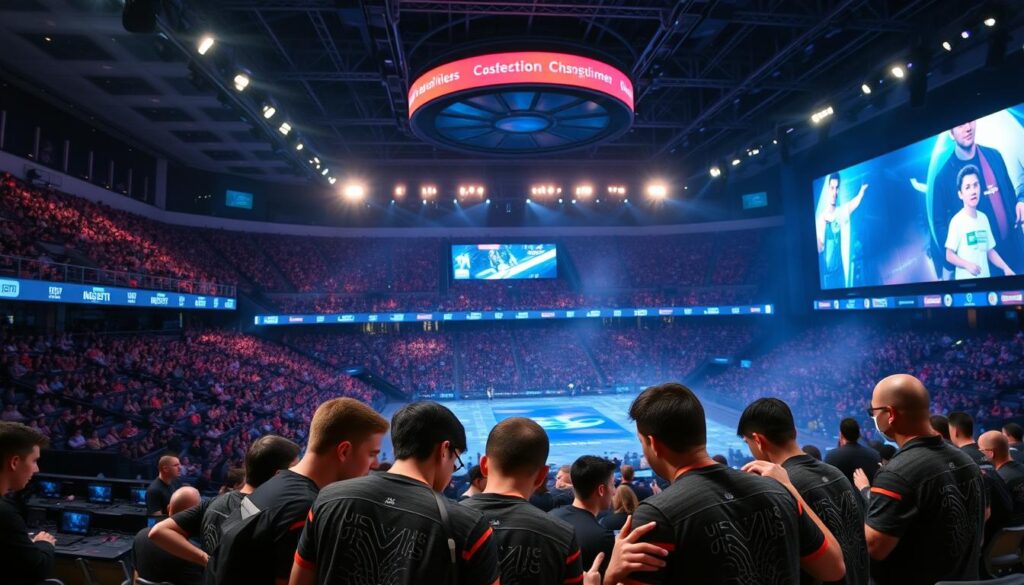
First, choose your game wisely. If your “main game” hasn’t had a tournament in years, you’re at a disadvantage. Look for games with active competitive scenes. Games where teams like Evil Geniuses invest real money are a good start.
Here’s how to move from playing in your basement to competing in LAN events:
- Local → Global Progression: Win local tournaments first (yes, even at your uncle’s comic shop)
- Tools for Improving Competitive Play: Use analytics platforms to find your weaknesses
- FC Pro Open Blueprint: Learn from major tournament strategies
The key to success in esports tournaments strategy is to plan every match carefully. Understand when to play safe and when to take risks. Top teams spend a lot of time analyzing their opponents’ gameplay. Your TikTok edits can wait.
Don’t just focus on looks. Improve your skills with:
- Replay analysis software (it’s hard on your ego)
- Hardware that works well under pressure
- A coach who tells you the truth, not just your stats
Every Evil Geniuses team started somewhere. Your journey to becoming a pro begins with treating local tournaments seriously. Just remember, you’ll have better nachos and parking.
Building Your Competitive Portfolio
Your gaming portfolio should be like Tarantino’s screenplay – a mix of chaos and method. It’s not about montages to EDM; it’s about Scorsese-level character studies of your gameplay. Shroud from Sentinels turns VOD reviews into Oscar-worthy performances. Personalized game analysis makes esports stars, not just TikTok clip makers.
Pro Insight: Your 360 no-scope compilation is cute. But the 17 seconds where you control the map like a chess grandmaster? That’s priceless. Top recruiters spend less time watching clips than you do in queues. Make every frame count with strategic intent.
Portfolio Power Moves
| Clip Type | Pro Example | Amateur Mistake | Why It Matters |
|---|---|---|---|
| Map Control | Zone denial sequence | Random frag hunting | Shows macro awareness |
| Team Synergy | Coordinated ult combos | Solo hero plays | Proves collaboration skills |
| Adaptation | Mid-round counterstrats | Repeated failed pushes | Demonstrates mental flexibility |
Building an esports profile that stands out is like defusing a bomb. That clip where you tea-bag the enemy team? Save it for your audition tape. For real orgs, show me the 30 seconds where you:
- Predicted enemy rotations through sound cues
- Managed economy like Wall Street quant
- Communicated clearer than NASA mission control
The magic happens in post-production. Record everything, then edit with Kubrick-level obsession. Your final reel should make me wonder: Would I watch this on 2x speed and see championship talent?
Networking & Pro Connections
While you play ranked matches, pros are networking on LinkedIn. It’s not about loot boxes; it’s about predicting game meta talks and making friends on Discord. Here’s how to make alliances as sharp as a Widowmaker’s aim.
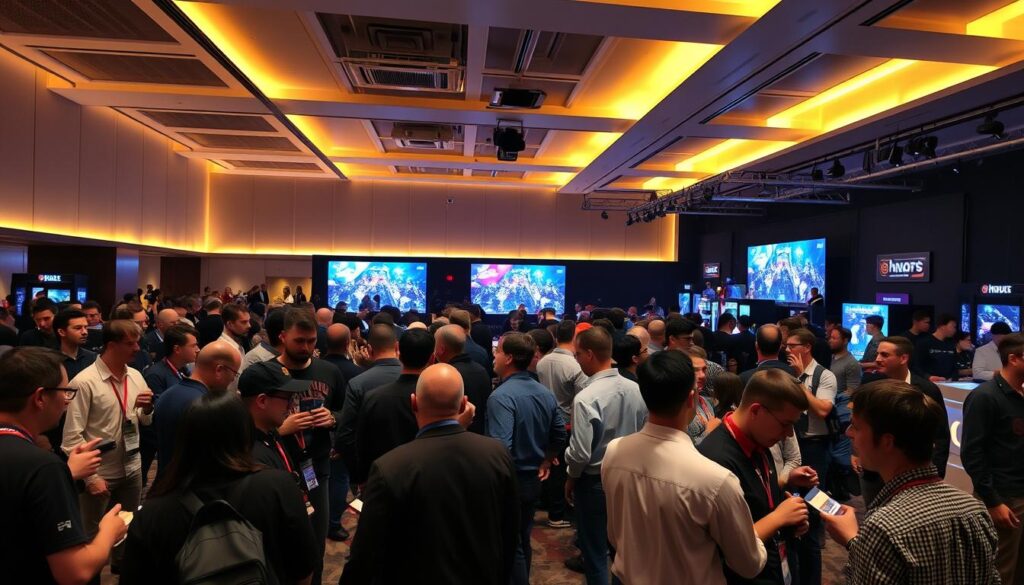
- Discord: Join pro groups as a contributor, not a beggar – study patch notes like a Wall Street pro
- Local Tournaments: Talk balance changes with organizers = free esports match analysis tryout
- Twitter/X: Share pro players’ strategies with your own twist (a bit of humblebragging is okay)
The secret trick? Turning “this new agent is bad” rants into sponsorship deals. Brands pay more for players who can explain meta changes before they happen.
| Tactic | Pro Move | Noob Mistake | Outcome |
|---|---|---|---|
| Post-Match DMs | “Your flank on Map Y inspired my Z rotation” | “Plz coach me senpai” | Mentorship vs Block |
| Event Networking | Predicting next meta shift to org scouts | Asking for free gear | Trials vs Eye-rolls |
| Content Collabs | Co-stream analysis with frame data | Self-promo in others’ chat | Followers vs Mute |
Every “who’s the GOAT?” debate is a job interview. Share esports match analysis insights casually, like breadcrumbs to your ultimate player’s guide. Pros value foresight – be the analyst who predicted the Viper nerf before it happened.
Your keyboard isn’t the only thing needing calibration. Master this social strategy layer, and you’ll skip the “aspiring” title faster than a Smurf account hits Diamond.
Skill & Strategy Refinement
Are you grinding aim trainers like it’s 2016? Your skill advancement plan might need a flip phone charger. Today’s pro gaming world changes fast, like crypto trends. Stay ahead by updating your strategy like software.
Let’s look at Valorant’s evolution of game strategies. Teams now take sites with TikTok dance trend precision. They use three analysis hacks:
- Frame-by-frame VOD reviews that make Zapruder film analysts look casual
- Heatmap tracking revealing positional errors you didn’t know existed
- Role-specific drills sharper than Gordon Ramsay’s kitchen knives
CS:GO veterans adapt to game strategies evolution with “meta jiu-jitsu.” When new smokes came in Mirage, top teams had counter-strategies ready. They treat every patch note like the Dead Sea Scrolls.
| Amateur Analysis | Pro-Level Breakdown | Impact Gap |
|---|---|---|
| “We lost because they’re cheating” | Identified 3s slower rotate from B anchor | 12% win rate increase |
| Generic deathmatch practice | Angle-specific prefire regimens | 23% HS ratio boost |
| Basic economy management | Round-by-round credit forecasting | 23% fewer eco round losses |
Your competitive gaming analysis needs depth. Start analyzing plays like decoding the Matrix. Why did Team Liquid’s controller position change on Ascent this week? What economy trick lets DRX force-buy opers? Answers are in the details you’re skimming.
Pro tip: If your practice doesn’t make you question life choices, you’re not improving. Real skill advancement comes from analyzing your own failed clutches with harsh objectivity.
Steps Toward Pro Status
Getting into EAFC’s pro scene is tough, like a battle royale where most players get eliminated early. The path to pro leagues begins with open qualifiers. It’s like climbing Everest in flip-flops. Valorant pros say winning needs more than just quick reflexes.
They study the EA FC Pro Open roadmap like it’s a sacred text. They treat every match as a chance to learn from their mistakes.
Your tools are as important as your strategies. Top players use the best gear, like Razer controllers and 240Hz monitors. They also wear noise-canceling headsets to focus better. But, mental toughness is just as key.
They analyze their losses to find out what went wrong. They look for patterns in their games.
Contracts are key to a long-term career. It’s not just about the money. It’s about finding a team that values you long-term. Some teams offer steady salaries, while others focus on tournament wins.
Building a strong reputation helps. Ranked leaderboard wins and social media presence can open doors. Streaming platforms can turn your best moments into opportunities for sponsors.
The biggest challenge is staying consistent. Finishing in the top 100 gets noticed, but winning championships gets you contracts. Keep improving your strategy, use analytics, and remember, every pro started somewhere. Ready to try again?