
Forget what you thought about pro gaming. These aren’t basement kids. They’re elite athletes, performing at a level that would impress Olympic trainers.
Take Johan “N0tail” Sundstein, who made Dota 2 strategy worth $7 million. Or Kyle “Bugha” Giersdorf, who earned more than golf stars before he graduated high school.
The world of gaming has changed a lot. South Korean esports stars are as famous as K-pop idols. Chinese mobile gamers are taking over new markets with skills that seem impossible.
European Counter-Strike pros, like those from Falcons, are changing the game. They win big championship prizes.
These gamers train like soldiers, analyze data like financial experts, and perform under pressure. Welcome to the new arena, where keyboards are weapons and speed is everything.
Their Paths to Fame
Forget what you think you know about gaming careers. The journey from basement dweller to arena hero isn’t about lucky breaks or caffeine-fueled all-nighters anymore. Today’s path to pro gaming looks more like a Harvard admissions process than a hacker movie plot.
It all started with counterculture roots. Stanford’s 1972 Spacewar competition offered a Rolling Stone subscription as the grand prize – because nothing says “serious sport” like free counterculture magazines. This quirky beginning evolved through arcade culture in the 80s and LAN parties in the 90s before becoming the structured ecosystem we see today.
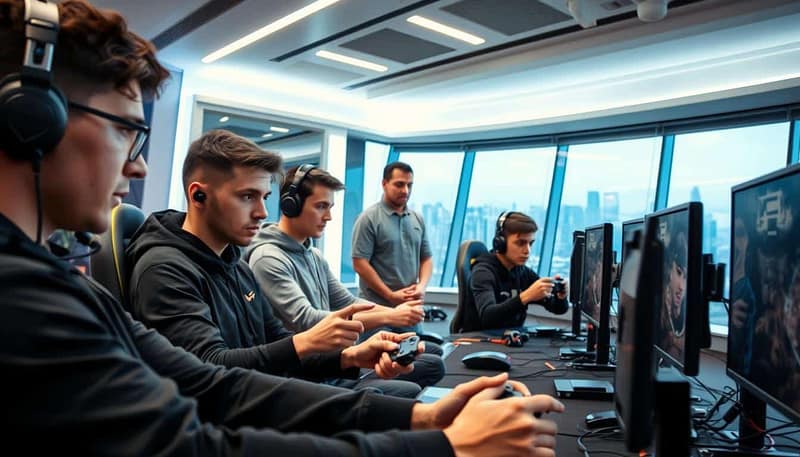
The modern pipeline runs straight through higher education. Over 300 universities now offer esports scholarships, creating a farm system that would make Major League Baseball scouts take notes. These programs don’t just teach gameplay – they build athletes.
Today’s training regimen would make Navy SEALs nod in approval. We’re talking 8-10 hours of deliberate daily practice, sports psychology sessions, and working with nutritionists. The energy drink-and-pizza diet has been replaced by meal plans and recovery protocols.
Why the dramatic shift? When traditional athletes invest in esports, the entire industry gets professionalized. Michael Jordan and David Beckham aren’t putting money into something that runs on junk food and all-nighters.
The result? A generation of top esports players who treat their craft with the seriousness of Olympic athletes. They analyze game film, study opponents’ tendencies, and maintain physical conditioning that would shame most weekend warriors.
This isn’t Revenge of the Nerds anymore. It’s Moneyball with graphics cards – and the players coming through this system are rewriting what it means to be a professional competitor. The path to becoming one of the top esports players now requires discipline, structure, and training that rivals traditional sports.
The bedroom gamer to superstar journey is rare now. For most aspiring pros, the road to fame now runs through collegiate programs, professional coaching, and a level of dedication that would make any athlete proud.
Key Turning Points
Nothing speeds up cultural shifts like huge amounts of money. When esports prize pools grew to rival national budgets, everything changed. The International’s $40 million prize in 2021 broke records and our views on gaming’s value.
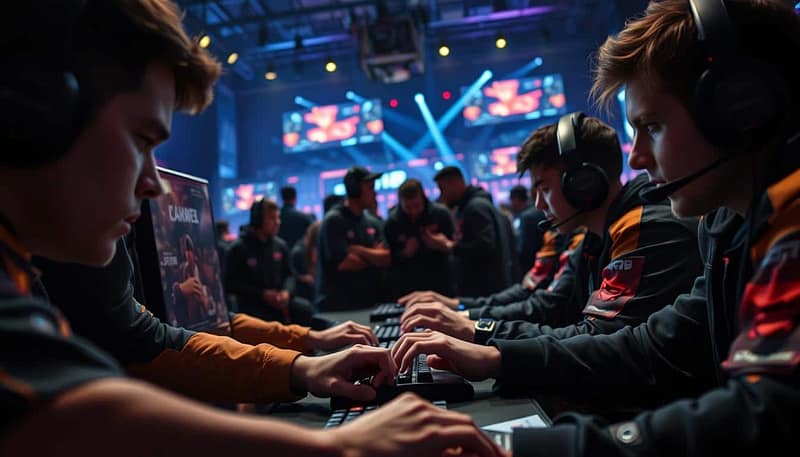
Then, 16-year-olds won $3 million at the Fortnite World Cup. This was more than many pro athletes earn in years. Traditional sports stars seemed like they were playing for fun.
These pro gaming stories turned from basement tales to stories of financial geniuses with controllers.
The mobile gaming revolution was a big surprise. Who thought Candy Crush would lead to Free Fire tournaments with 5.4 million viewers? Mobile esports quickly became a real competition.
Now, the Esports Nations Cup is launching in 2026. It marks the final step. What started in community centers is now a global sport in one generation.
These moments didn’t just make champions. They built an entire economy. The pro gaming stories show an industry growing faster than expected.
Advice to Aspiring Pros
Want to become a famous pro gamer? Think again. Unless you’re ready to work as hard as a Wall Street analyst, it’s better to keep gaming as a hobby.
The journey to pro is tough, like Navy SEAL training. It requires a lot more than just playing games. You need to be good at many things, like a top corporate executive.
First, academics are key. Over 300 universities offer esports scholarships. But, you need top grades and game skills. Knowing math can even help your gaming.
Your training must be strict. Aim for 8-10 hours a day, split into three main areas:
- Mechanical mastery – because reflexes don’t improve themselves
- Replay analysis – watching yourself fail builds character
- Team scrimmages – where individual skill meets collective strategy
The mental game is just as important. Sports psychologists help manage stress, team work, and frustration.
Being fit is important, even if you sit a lot. Good food, exercise, and sleep boost your gaming skills.
Smart pros make money in many ways. Winning tournaments is unpredictable, but building a brand is stable. They use streaming, content, and sponsorships to earn.
| Skill Area | Time Investment | Critical Success Factors | Common Pitfalls |
|---|---|---|---|
| Mechanical Skills | 3-4 hours daily | Consistent practice, proper equipment | Developing bad habits, inconsistent routine |
| Game Knowledge | 2-3 hours daily | Replay analysis, meta study | Ignoring patch updates, poor adaptation |
| Team Dynamics | 2-3 hours daily | Communication, role specialization | Ego conflicts, poor shot calling |
| Mental/Physical Health | 1-2 hours daily | Exercise routine, stress management | Burnout, poor nutrition, sleep deprivation |
Going pro isn’t just about playing games. It’s about building a lasting career in a tough field. Check out our guide to going pro for more details.
The best famous pro gamers treat their career like a business. In today’s esports world, that’s what it is.
Signature Moves
Forget flashy combos and highlight-reel plays. The real signature moves of top esports players happen in the spaces between clicks. These are strategic decisions that set champions apart from contenders. They’re not just individual flourishes but cultural exports shaped by regional identities and supported by top-notch infrastructure.
South Korea’s approach to StarCraft and League of Legends is like a surgical operation. Their precision timing and macro-strategic thinking turned esports into a national pastime. China’s mobile gaming dominance is unmatched, making Candy Crush look like geopolitical chess. Their players treat smartphone screens like command centers, with reaction times that would make a fighter pilot blush.
Europe’s Counter-Strike and Dota 2 scenes are like Renaissance-era think tanks. Their tactical innovations and adaptive playstyles constantly reshape competitive metas. Remember how Ruler and other pros approach the game? They’re not just playing – they’re solving complex problems in real-time.
The signature moves extend beyond the screen into the ecosystem itself:
- Gaming houses that function like Olympic training facilities
- Coaches who analyze gameplay with CIA-level intensity
- Support staff including nutritionists and sports psychologists
- Meta-analysis departments that treat patch notes like sacred texts
This isn’t just playing games – it’s institutionalized excellence. The real signature move? Turning passion into profession through systems that would make Fortune 500 companies jealous.
These players don’t just execute strategies; they embody them. Their signature approaches to mental preparation, team coordination, and adaptation represent the pinnacle of competitive gaming. The flashy plays might get the views, but the strategic groundwork wins the championships.
Off-the-Stage Activities
When the lights go down, the real challenge starts. Winning tournaments is just the beginning. It opens doors to a world of financial opportunities.
The best players create empires that impress even Jay-Z. They make more money from streaming than from competing. This turns their gaming stories into big business ventures.
Players partner with big brands like Coca-Cola, Mercedes-Benz, and Intel. They become walking advertisements. It’s a win-win, combining high performance with popular products.
Celebrity investors see the future in esports. They invest in business ventures, team ownership, and entertainment. This shows the growing influence of pro gaming stories.
Top gamers move into coaching and management. They know careers evolve, even when reaction times slow. It’s about more than just playing games.
Success in esports today means being smart in business. It’s about personal branding and seeing beyond the screen. It’s a whole new world.