
Ever wonder what makes pro gamers different from you? It’s not just talent or fancy gaming gear.
Top gamers train like Olympic athletes. They follow strict daily esports training plans. These plans would impress even a military drill sergeant.
Don’t believe the myth of gamers living in dark basements. Today’s pros wake up early, exercise, and plan their practice sessions carefully.
They study game footage like film critics. They work with coaches, sports psychologists, and nutritionists. It’s not just playing games; it’s mastering a craft.
The $3 billion esports industry demands top performance. Whether you aim to compete or just improve, learning these strategies is key.
Physical & Mental Training
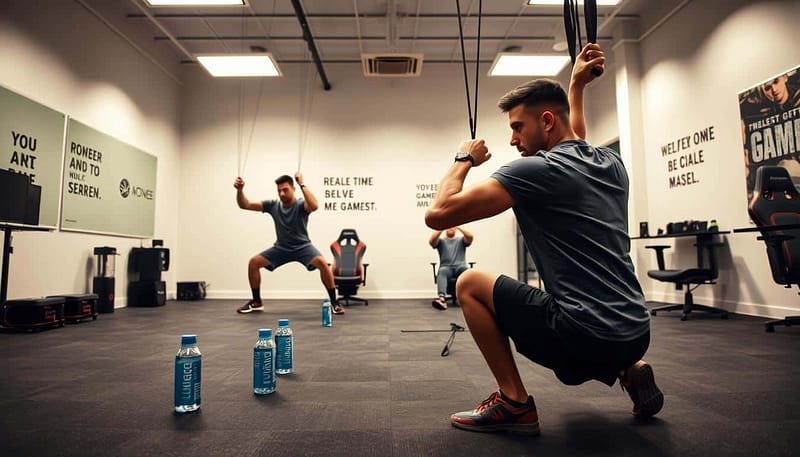
Welcome to the gym of the mind and body. Today’s top players know they need more than just fast fingers. They do 30-minute morning workouts with cardio, strength training, and stretching. This helps prevent carpal tunnel and boosts reaction speed.
Nutrition is key too. They eat avocados for brain health, salmon for thinking, and lots of water to stay hydrated. Even a little dehydration can hurt focus. That’s why they drink 2-3 liters every day.
The mental game is just as important. They use meditation, hire sports psychologists, and avoid burnout. It’s like a brain workout with better snacks and less noise.
The modern pro gamer training focuses on three main areas:
| Training Type | Daily Time | Key Benefits | Pro Tips |
|---|---|---|---|
| Physical Exercise | 30 minutes | Prevents injury, boosts reaction time | Focus on wrist stretches and posture |
| Nutrition Planning | All day | Enhances cognitive function | Hydrate constantly, brain foods first |
| Mental Wellness | 20 minutes | Reduces burnout, improves focus | Meditation beats frustration |
This isn’t just about playing games. It’s about optimizing human performance through science. The best players treat their bodies like athletes because they are.
Think of it as upgrading your hardware and software. Your brain is the processor, and your body is the cooling system. Both need care to avoid crashing in big moments.
In-Game Drills
Ever wonder why some players seem to play chess while you’re stuck in checkers? It’s not because of magical gaming genes. It’s because of esports training that turns talent into precision.
Think of mechanical drills like piano scales or Steph Curry’s free throws. They’re the basics that separate casual players from pros. For FPS fans, tools like Kovaak’s and Aim Lab are like digital dojos where reflexes become weapons.
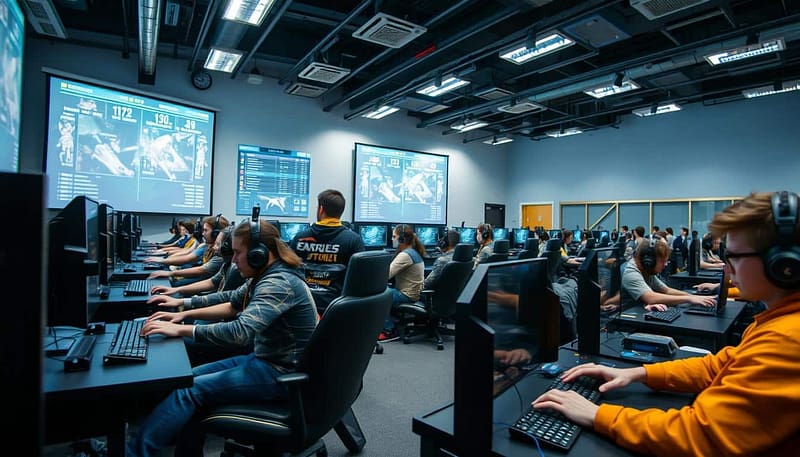
Different games need different training. MOBA players practice last-hit drills, while Fortnite players work on building. Battle royale players focus on positioning and loot efficiency. Each game has its own practice routines that pros master through repetition.
The best esports training follows a structure:
- 1.5-hour focused mechanical skill sessions
- Strategic scrimmage sessions against skilled opponents
- Game-specific drills tailored to individual weaknesses
- Regular progress tracking through stat analysis
Scrimmage sessions test strategies and teamwork. It’s like a theater company rehearsing scenes. Professionals don’t just play matches; they test their plans.
Modern esports training is measurable. You can track your progress with tools like aim trainers. It’s like conducting experiments on your own performance.
Communication drills are often overlooked. The difference between clear and confusing communication can make or break a play. Professional teams develop their own language for better teamwork.
Effective practice isn’t about playing more. It’s about playing smarter. The best players analyze their performance like scientists. They test hypotheses and adjust based on results.
Whether it’s aim training, strategy, or teamwork, consistency and measurement are key. Track your progress, analyze mistakes, and remember: even the most talented players got there through structured practice.
Reviewing Play & Data
Ever watched a horror movie where the main character makes bad choices? That’s what unreviewed gameplay looks like to coaches. While most players just play again after losing, pros analyze every game like a crime scene.
VOD review sessions turn casual play into learning. It’s like analyzing your own digital ghost, looking at every choice with a surgeon’s eye. It’s not about pride—it’s about facts.
The process starts with raw footage. Pros record everything, making a digital library of their games. They’re not just watching for fun; they’re searching for patterns. Why does your aim drop in round three? What tells do you give opponents before pushing?
Effective analysis follows a certain method:
- Timestamp everything: Mark exact moments where choices matter
- Identify repetition: Find common mistakes or successful moves
- Compare perspectives: Watch from your view and the opponent’s angle
- Measure against benchmarks: Compare your positioning to pros?
This method separates casual players from serious ones. The best don’t just play more; they study better. They see that every death tells a story, and every win has a plan.
Spotting patterns is your superpower. Maybe you lose control of mid-map after the first goal. Or your economy fails in certain situations. These aren’t random failures; they’re patterns waiting to be found.
Many aspiring pros don’t value watching pro matches. Watching TenZ in Valorant or Faker in League isn’t just fun—it’s learning. The key is to watch actively, not passively.
| Analysis Technique | Casual Approach | Professional Method | Key Benefit |
|---|---|---|---|
| VOD Review Frequency | After major losses only | After every session | Consistent improvement |
| Note-Taking System | Mental notes only | Detailed timestamp journal | Actionable insights |
| Comparison Analysis | Self-review only | Professional player benchmarking | Higher standards |
| Pattern Identification | General observations | Statistical pattern tracking | Targeted improvement |
In esports, data is key, not just instinct. Pro gamer training uses stats and visual review. How often do you win with certain routes? What’s your success with specific weapons?
Self-reflection through review creates the “improvement feedback loop.” You play, record, analyze, and change—then repeat. This cycle turns play into practice, not just repetition.
The most successful players take VOD review seriously. They schedule analysis, work with coaches, and keep detailed logs. This disciplined training sets champions apart from players.
Remember, review sessions aren’t for compliments. You’re looking for weaknesses, patterns, and chances to improve. It’s like therapy for gaming—sometimes tough, always revealing, and changes your game.
Tips from Pros
Pro gamers don’t just play better – they think differently. Their wisdom can change how you play competitive games. They’ve turned pixels into paychecks with strategies that go beyond the game.
Take Faker, the LeBron James of League of Legends. His secret isn’t just mechanical skill – it’s adaptation mastery. While others chase meta shifts, Faker anticipates them. He studies patch notes like a Wall Street analyst reads market trends, identifying opportunities before they become obvious.
His longevity stems from treating each game as a learning laboratory. This mindset shift separates temporary stars from enduring legends.
Then there’s Karrigan, the CS2 veteran who’s like Gandalf of tactical shooters. His mental resilience techniques could fill a psychology textbook. When pressure mounts, he doesn’t tense up – he leans into deliberate breathing patterns developed over thousands of competitive hours.
Karrigan treats tournament stress like a familiar opponent. He’s mastered the art of maintaining strategic clarity when lesser players succumb to panic.
For brand building, look at streamers like Shroud and Ninja. They understood early that gaming excellence alone doesn’t pay bills – personality packaging does. They transformed raw skill into entertainment products, creating empires that extend far beyond competitive rankings.
Their lesson? Your gameplay might open doors, but your character keeps them open. They cultivated unique styles that made viewers feel like they were hanging with friends, not watching robots execute perfect strategies.
Practical pro tips often surprise newcomers. Nutrition matters more than you’d think – complex carbs before competitions, hydration during, protein after. It’s a gamer workout for your brain as much as your fingers.
Breaks aren’t signs of weakness but tools for sustained excellence. Top players schedule downtime like they schedule practice sessions. They understand that fresh minds make better decisions than fatigued ones.
Tournament pressure management involves visualization techniques athletes use. Many pros mentally rehearse key moments days before events, reducing anxiety through familiarity.
These strategies work whether you’re aiming for professional leagues or climbing ranked ladders. The principles of adaptation, mental resilience, and strategic branding apply at every level. It’s about working smarter, not just harder.
Many of these approaches align with the training routines professionals use to maintain peak performance. The best part? You don’t need natural talent to implement these systems – just discipline and willingness to learn from those who’ve already paved the way.
Ultimately, pro tips reveal that elite gaming isn’t about magical reflexes. It’s about building sustainable systems that turn occasional brilliance into consistent excellence. Your next level up might depend less on your aim and more on your approach.
Preventing Burnout
Ever notice how even your favorite playlist gets stale after the hundredth listen? That’s burnout in esports training. It’s not just about being tired; it’s about that hollow feeling when even victory tastes like cardboard.
The warning signs creep up like unpatched game bugs. You’ll notice inconsistent performance despite putting in the hours. Motivation drops faster than your K/D ratio on a bad day. Emotional exhaustion makes every ranked match feel like a chore. Sound familiar? You’re not alone – this is the silent career killer that’s ended more promising runs than toxic teammates.
Here’s the reality check: grinding harder isn’t the solution. Sustainable success requires working smarter. Professional organizations now employ psychologists to help players manage this mental strain. Why? Because they recognize that mental health is the real meta in competitive gaming.
Let’s break down the prevention strategies that separate pros from burnt-out amateurs:
| Warning Signs | Prevention Tactics | Pro Implementation |
|---|---|---|
| Decreased motivation | Pomodoro technique (50min play/10min break) | Scheduled practice blocks with mandatory breaks |
| Emotional exhaustion | Mandatory rest days | 2 full days offline weekly |
| Performance inconsistency | Active non-gaming life | Physical exercise and social activities |
| Autopilot mode during practice | Mindful training sessions | Specific goals per practice session |
The Pomodoro technique isn’t just productivity bro science – it’s neurological first aid. Your brain needs those 10-minute breaks to consolidate learning and prevent fatigue. Mandatory rest days? They’re not suggestions; they’re non-negotiable recovery periods that actually improve performance.
Building an active life outside gaming isn’t about “touching grass” as the meme goes – it’s about creating mental space. Physical exercise, social connections, and hobbies provide cognitive diversity that keeps your gaming mind fresh. It’s the difference between being a one-trick pony and a versatile champion.
Remember: avoiding burnout in esports requires the same strategic approach as your in-game tactics. It’s about recognizing when you’re operating on autopilot and consciously shifting gears. As this guide on competitive gaming mindset emphasizes, sustainable success comes from balancing intensity with recovery.
The most successful players understand that peak performance isn’t maintained through constant grinding. It’s achieved through strategic rest, varied stimulation, and acknowledging that even professional gamers are human beings first, gaming machines second. Your career longevity depends on recognizing that the mind needs maintenance as much as your gaming rig.
Building a Daily Routine
Creating a daily routine is like building a skyscraper. You need the right foundation blocks at the right times. Start with morning warm-ups, like aim trainers and a good gamer workout, to wake up your reflexes.
The experts at Esports Heaven suggest structured blocks. These include mechanical drills, scrimmage sessions, VOD reviews, and strategic learning. It’s about practicing with purpose, not just grinding.
Your day should balance intense focus with recovery. Take breaks every 60-90 minutes. Make sure to include physical activity and get enough sleep. This keeps your mind sharp, not just your gaming skills.
The best routines fit your life. Whether you practice 4-6 hours a day or around other tasks, be consistent. Use tools like Tracker.gg for Valorant to track your progress.
Build your championship day step by step. Your future esports self will appreciate the planning.