

Every player stuck in a rank they can’t climb faces a choice. They can either keep grinding alone or get a coach. This debate pits the solo player against the student. The solo player hopes to find success through endless hours of practice.
On the other hand, a coach offers a structured, analytical approach. This method cuts through the noise and focuses on improvement.
Most of us have been the solo player. We spend hours watching streams and tips videos. But, learning from our own mistakes has its limits. It’s like trying to learn chess by playing against a wall.
The modern esports world has moved beyond solo play. The key is not just how much you play, but how you play to improve.
The Grind vs. The Guide: Solo Queue vs. Structured Climb
The “grind” mentality is a strong myth in gaming. It says that enough hours will lead to skill. But, this is not true.
Deliberate, guided practice is what makes a pro. The grind is often just a hamster wheel. Structured practice is a ladder.
The modern esports coaching is different from the old model. It’s not just about tips from pros. It’s a data-driven, analytical process.
Tools like trophi.ai are the new evolution. They act like a 24/7 coach, analyzing your gameplay data. This is the opposite of the mindless grind.
This shift is seen in modern pro training regimens. Every action is measured, and every mistake is a data point. This is different from practicing without a purpose.
In the end, you can either hope for progress or engineer it. The choice is between a long, winding road and a guided climb. The esports coaching model, with AI-driven analysis, doesn’t just point out mistakes. It builds a bridge over them.
One-on-one vs group coaching
In competitive gaming, the coaching format is as important as the strategies you learn. Choosing between one-on-one and group coaching is a strategic decision. It can shape your entire development journey. This section explores both options, highlighting the benefits of private sessions and group learning.
The Spotlight and The Squad: Tailoring the Learning Environment
One-on-one coaching is like a precise surgical strike. Your coach analyzes your every move with great detail. This approach focuses on isolating flaws and building a personalized plan to improve.
Group coaching, on the other hand, is like a laboratory. In settings like Gosu Academy’s 10-mans or community watch parties, you learn from and with others. It’s where you test strategies, observe different playstyles, and develop team communication skills.
The Solo Grind vs. The Team Huddle
In solo grind coaching, your coach acts as a personal mechanic. They focus on improving your individual skills. This is where one-on-one coaching excels, turning your weaknesses into strengths.
Group coaching, like the events at Next Level Esports, teaches you to win as a team. It’s about learning to communicate, adapt, and lead. It’s the difference between solo practice and team play.
Gosu Academy’s model highlights the power of group dynamics. It’s not just about learning a champion’s abilities but also their mindset in a team setting. Next Level Esports focuses on shared growth, fostering a collaborative spirit.
Choosing between one-on-one and group coaching isn’t a simple decision. The best approach often combines both. Use one-on-one coaching for personal improvement. Then, apply those skills in group coaching settings. This is where individual skill meets team synergy, leading to true mastery in competitive play.
What good coaches focus on
Elite esports coaching is more than just teaching the basics. It’s about building a player who can think for themselves. Anyone can teach you a strategy, but a true coach teaches you how to think critically.
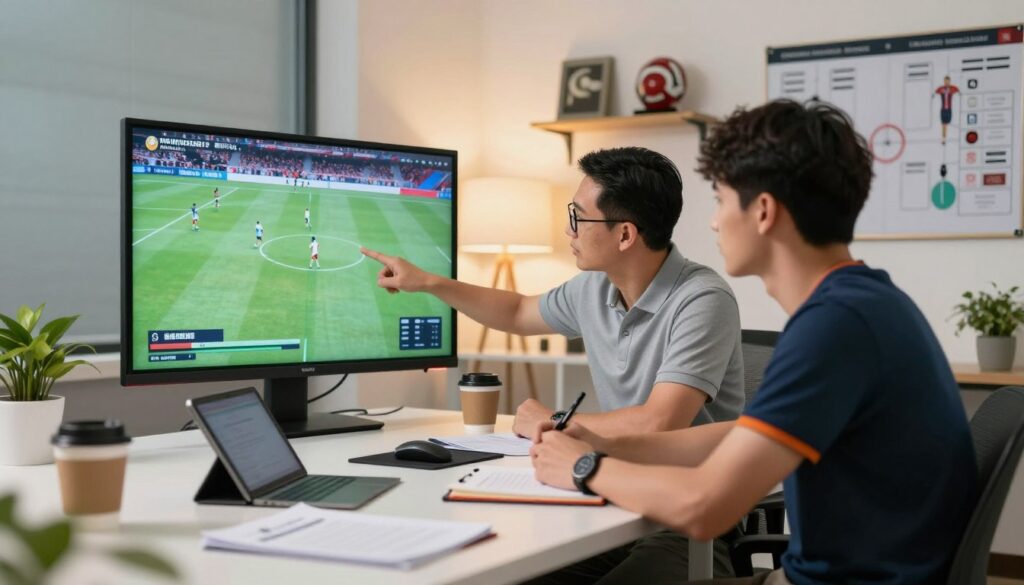
Many coaches focus on the latest trends, but true coaches look deeper. They teach you to understand the game’s deeper mechanics. This way, you can adapt to any situation, not just the current trend.
Beyond the Meta: Building Players, Not Just Playbooks
The best coaches focus on the ‘why’ behind the game, not just the ‘what’. They teach you to question and understand the game’s mechanics. This way, you can make informed decisions during games.
The “Why” Behind the “What”
Real improvement comes from understanding the game’s deeper mechanics. A true coach teaches you to think critically and strategically. This is how you become a better player, not just someone who follows trends.
The “Why” Behind the “What”
Improvement comes from understanding the game’s deeper mechanics. A true coach teaches you to think critically and strategically. This is how you become a better player, not just someone who follows trends.
Players from Next Level Esports learn more than just strategies. They learn frameworks that help them improve. Levin “Klust” notes, “The biggest thing I’ve gained is a structure that helps me get the right kind of practice.” This structure is key to lasting improvement.
Pol “Wakegato” also experienced a significant change. He didn’t just learn new strategies; he gained a new way of thinking. “Now I have structures on how to do things and tools to solve all my problems,” he says. This is the true value of a good coach.
Leoxyyy’s story highlights the impact of a good coach. “The amount I’ve learned regarding work ethic and methodology… is insane.” A good coach doesn’t just teach you to play better; they teach you how to think better.
In conclusion, great esports coaching is about more than just teaching strategies. It’s about installing a better way of thinking. This way, you can adapt and improve long after the coach is gone.
Measuring improvement
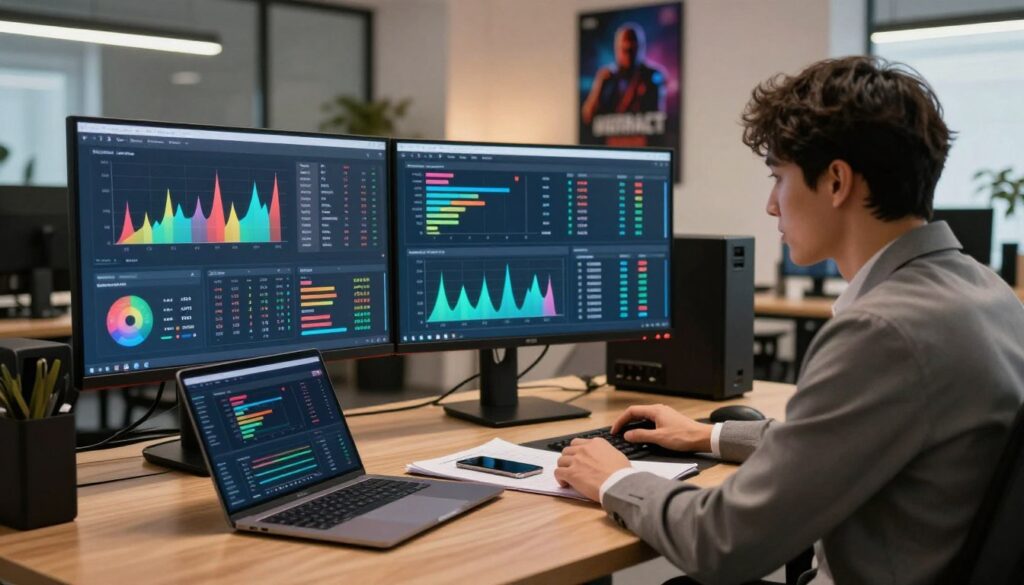
The real sign of a player’s growth isn’t just the icon next to their name. It’s the skills they build, which a coach helps plan. We often look at the rank, K/D, and wins. But focusing on these alone is like watering a plastic plant and expecting fruit.
Real growth is seen in quiet, unsexy metrics. A good coach or smart system can help you see these. They show how much you’ve really improved.
From K/D to Growth: Metrics That Matter
Winning a few games and seeing your rank go up feels great. But then, losing streaks make you wonder what you’re learning. We’re too focused on lagging indicators like rank and K/D ratio.
These show where you’ve been, not where you can go. Good coaching and smart systems focus on leading indicators. These are metrics that show how you’re improving, not just where you are.
| Vanity Metric (The Illusion) | Growth Metric (The Reality) | What It Actually Measures | System Example |
|---|---|---|---|
| K/D Ratio | Decision-Making Score | Critical in-game choices per minute; predicts long-term success better than raw aim. | trophi.ai Post-Session AI Feedback |
| Rank/MMR | Challenge Completion Rate | Consistency in deliberate practice, not just matchmaking luck. | Gosu Academy Daily Challenges |
| Win/Loss Streak | Resource Efficiency | Gold/creep score, ability cooldown management, and map awareness stats. | trophi.ai Mistake Analyzer |
| Final Scoreboard Position | Mistake Reduction Rate | Specific, repeatable errors identified and corrected. | trophi.ai Programs & Courses |
Beyond the Scoreboard: The Data of Development
Modern coaches or smart platforms use data instead of hope. They ask, “What did the data say you learned?”
trophi.ai shows you why you died, not just that you did. Its Post Session AI Feedback and Mistake Analyzer highlight patterns. It helps you improve by focusing on specific mistakes.
Gosu Academy uses daily challenges to build habits. It tracks your consistency and rewards your progress. You’re not just grinding for a rank; you’re learning.
The wise coach knows a lucky win streak is short-lived. These systems help build a player who can win consistently. The rank is a byproduct, not the goal. You focus on closing your gap, not just your rank.
Red flags to avoid
Finding the right guide is as important as the climb itself. A true coach lights the way, while a fake can lead you astray. Knowing the difference is your first step up.
Guarantees, Guarantees Everywhere
Your first warning sign is the “Rank Booster.” They promise a specific rank in no time. Esports coaching focuses on skill, not magic solutions. If they promise a win or rank without effort, it’s not coaching.
Next, watch out for the “One-Size-Fits-All” coach. They have a single plan for everyone, ignoring your unique needs. Real esports coaching is personal, not a one-size-fits-all approach. A good coach, like Dorian “FLUKIK,” builds a personal plan, not a strict rule.
Then, there’s the “Guru” who talks big but can’t explain their methods. If they can’t share their approach, they’re just talking. A structured system, as CJ “OldSpice” said, focuses on growth, not just winning.
These red flags are more than just a waste of money. A coach who uses fear or shame is harmful. Bully tactics can crush a player’s spirit. True coaches, as shown by the journey to pro esports, uplift and prepare you for the long haul.
The wise advice is to look for a coach who gives you the tools to succeed. They have a clear plan and build your confidence. They equip you to achieve your goals on your own.