
Imagine gaming rigs buzzing for 72 hours straight. College recruiters check Fortnite leaderboards like NFL scouts. Parents now see gaming as a “real job” thanks to EA Sports’ $1 billion annual revenue.
The esports industry has more pro players than MLB athletes. NACE says 480+ U.S. colleges offer gaming scholarships. But, only about 10,000 gamers make a living. It’s not just about skill; it’s about dedication and strategy.
Gaming is facing a cultural civil war. Choosing a game genre is like picking Marvel or DC. The stakes are high, with Twitch sponsorships and $20 million prizes at stake. Mobile gaming’s growth is at odds with PC gaming fans, and AI is changing how we practice.
So, why does this matter? Becoming a pro gamer isn’t just about quick reflexes. It’s about understanding the market, building your brand, and mastering streaming algorithms. Let’s explore what sets basement streamers apart from esports stars.
Introduction: Dreaming Big in Esports
The esports world is more than just screens and excitement. It’s a place where tech giants and sports meet in a fast-paced race. The industry has grown by 300% from 2018, making it a gold rush like no other. Today, instead of digging for gold, players use high-tech gaming gear.
The Singapore Major’s $500,000 prize pool is a big deal. It’s like the stakes in Squid Game. But there’s a harsh reality: for every top player, there are many more struggling. Pro careers are short, lasting shorter than an NFL running back’s knees. The average age of retirement is 26.
This isn’t just doom and gloom. It’s the harsh truth of the esports world. The same growth that makes some players millionaires demands constant improvement. Twitch’s 2023 report shows 7.5 million channels vying for viewers. That’s 15 times more creators than the CEOs of Fortune 500 companies.
So, why pursue esports? It offers a unique chance to succeed, unlike traditional sports. Your “stadium” can fit in a backpack. 43% of esports fans are millennials with money to spend. When you make it big, like the 17-year-old Valorant star, you’re not just playing games. You’re shaping the future of pop culture.
Step 1: Choosing Your Game and Platform
Choosing your esports game is like finding a partner. You want that butterfly-in-your-stomach feeling. It’s like Tinder, but for games. Swipe right on the wrong game and you might end up in a deserted PUBG (RIP 2018-2021).
Don’t worry, it’s normal. The key is to try out different games before settling on one. This way, you can find the perfect match for your gaming style.
Mechanical Skills
Your hands are like investments in esports. Valorant tests your aim, while Chess.com challenges your brain. Think about these different types of players:
- The Twitch Reflex Titan: These players have lightning-fast reflexes, perfect for games like Starcraft.
- The Tactical Archivist: They know Rainbow Six Siege maps inside out, just like Tolkien knows his lore.
- The Mind Game Virtuoso: League of Legends players who can control their team like puppets.
| Game | Mechanical Demand | Platform Longevity | Esports ROI |
|---|---|---|---|
| Valorant | Precision aiming (90%) | PC-dominated (5+ years projected) | $3M championship pots |
| Fortnite | Building mechanics (85%) | Cross-platform (declining pro scene) | Influencer deals > prizes |
| Chess | Pattern recognition (95%) | Universal (1400 years and counting) | Sponsorships + streaming |
Being loyal to a platform is old news. Debates between Xbox and PlayStation are like arguing over vinyl vs cassette tapes. The best players switch platforms as needed, just like disposable gloves.
When Riot Games made VALORANT PC-only, console fans felt left out. They became like the Blockbuster Video of gaming.
Not sure what to choose? Ask yourself: Do you want to build forts like Ninja, or play 4D chess like Hikaru Nakamura? Your answer will help you decide if you need a fancy keyboard or just a simple chess clock.
Step 2: Building the Right Setup
Let’s clear up the RGB confusion: your “gaming throne” from old patio furniture won’t cut it in esports. Building a pro setup is not about making your desk look like Tron. It’s about creating a high-tech workstation that beats others by tiny fractions of a second. Think NASA control room, not disco ball.
AFoxx’s gear list is like Iron Man’s garage. Here are the must-haves without the hype:
- Logitech’s G Pro X Superlight: A mouse as light as 63 grams, perfect for precision
- Mechanical keyboards with switches that are faster than a Twitter controversy
- Monitors that refresh faster than TikTok trends (240Hz minimum)
Now, let’s talk about gaming chairs. Most “esports chairs” are just fancy lawn furniture. They claim to support your back, but it’s like believing crypto influencers. Pro tip: look to Singapore’s gaming hubs for real ergonomic seating that’s worth more than your first car.
| Budget Setup | Pro Setup | |
|---|---|---|
| Latency | 35ms (grandma’s dial-up speed) | 1ms (neurons firing) |
| Audio | “Gaming headset” from a cereal box | Directional sound that pinpoints footsteps like bloodhounds |
| Internet | Wi-Fi that dies during rain | Wired connection tighter than a Marvel plot hole |
Singapore’s esports academies show a secret: pros treat their setups like F1 teams. Every cable is managed with precision, ambient lighting is perfect, and backup gear is ready like a pit crew.
Remember, your rig is your esports Excalibur. Would you bring a plastic spork to a swordfight? Exactly. Now, build something that makes Stark Industries jealous.
Step 3: Mastering the Fundamentals
Think of esports mastery like building IKEA furniture without instructions. You need to analyze blueprints and solve problems creatively. This phase turns weekend gamers into pros who play ranked queues with Oppenheimer-like precision.
Game-Specific Knowledge
Biofrost’s League of Legends training is intense. He spends 14 hours a day on cooldown timers, flash-engage angles, and jungle paths. Modern esports requires:
- Mechanical mastery: Valorant’s Ascendant rank needs 20-hour aim lab sessions. These are longer than Rocky’s training montages.
- Meta fluency: CS:GO’s Vertigo smoke spots are more important than your college GPA.
- Adaptive thinking: When Riot Games updates, your strategy might need a complete overhaul.
Analyzing Pro Play
Watching pro matches is not just for fun. It’s time to take notes and analyze rotations like the Zapruder film. Here’s how to use VOD reviews to improve:
| Casual Viewer | Pro Analyst |
|---|---|
| “Wow, cool headshot!” | Notes crosshair placement relative to map geometry |
| Mutes casters for hype | Replays team comms at 0.5x speed |
| Skips to final round | Studies first blood strategies like rare manuscripts |
The magic happens when you combine this knowledge. T1 Faker’s dragon pit trick wasn’t luck. It was player pathways math even Pythagoras would admire. Start analyzing these moments, and you’ll become the chessmaster who makes opponents question their choices.
Step 4: Grinding the Ladder
Welcome to esports’ version of Dante’s nine circles. Here, smurf accounts are the demons, and Mountain Dew fuels the fire. Casual gaming turns into obsessive-compulsive spreadsheet tracking. You’re not just playing; you’re mining for skill points like a crypto bro.
Climbing Ranks
AFoxx’s Valorant routine is a military-grade regimen. It makes Navy SEAL training look easy. The pro’s secret? Treating ranked queues like a 9-to-5 job from hell:
- 05:30 AM: Aim lab sessions (while normal humans hit snooze)
- 08:00 AM: VOD reviews of yesterday’s failures (breakfast of champions)
- 12:00 PM: 10 ranked matches minimum (with comms banned to avoid tilt)
Climbing from Iron to Radiant isn’t about talent. It’s about systematic skill extraction. Each rank tier is an evolutionary stage. Gold players are beginners, Platinums have discovered fire, and Immortals are building particle accelerators.
Competing in Online Tournaments
Online tournaments are like American Idol auditions. Simon Cowell is replaced by 14-year-olds spamming “EZ”. Singapore’s Bountie Arena shows the blueprint:
| Tournament Type | Skill Level | Scout Possible |
|---|---|---|
| Community Cups | Diamond+ | Org scouts lurking |
| Open Qualifiers | Immortal+ | Pro team tryouts |
| Premier Leagues | Radiant | Direct contract offers |
Recent roster changes in teams like Sentinels and Fnatic show a truth. Tournament highlights are your audition tape. Drop 30 kills in a qualifier? Orgs will slide into your DMs fast. Choke under pressure? Reddit montage hell awaits.
Step 5: Joining a Team
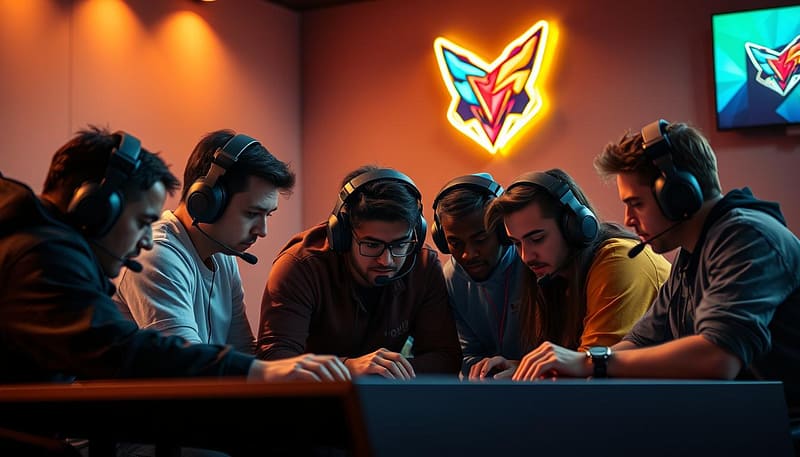
Joining a gaming team is not like swiping right on Tinder. It’s more like trying to assemble the Avengers. Everyone thinks they’re Tony Stark. The eSports Cologne case study showed 73% of teams failed due to personality clashes. This proves that chemistry is as important as good gaming skills.
You’re not just joining for the fun of playing together. You’re also joining a family that streams for 12 hours a day. It’s not all fun and games.
Networking and Team Tryouts
Discord servers are like the Wall Street of esports recruitment. One wrong meme can ruin your chances. To make it through team tryouts:
- Look for SCOGA-certified programs like a bloodhound (they’re the Harvard of esports pipelines)
- See scrimmages as 3D chess matches – every move is analyzed by coaches
- Learn to send post-game DMs without sounding desperate
Remember, even prodigies can get benched for bad attitudes. The right gaming gear might get you noticed. But emotional intelligence keeps you in the game.
Showcasing Talent
Your highlight reel needs to be as exciting as a Netflix docu-series. Pro scouts scroll through clips fast, so grab their attention in 8 seconds. Here’s how to stand out:
- Make montages for each role (support mains need love too)
- Mark clutch plays like forensic evidence
- Combine raw stats with personality from mic-up snippets
When University of Akron’s team recruited their star DPS player through a viral Twitter thread, they showed that modern esports transfers need skill and social media savvy. Your next contract might depend on a well-timed meme as much as your gaming skills.
Step 6: Attending LANs and Big Events
Walking into your first major esports event is like stepping into the Mos Eisley Cantina. But instead of just patrons, everyone has RGB-lit weapons and debates about the best strategies. These events mix the excitement of Comic-Con with the intense competition of Roman gladiator battles.
At Singapore’s Suntec Convention Center, players feel the rush of adrenaline like skydivers during critical moments. It’s a thrilling experience.
Survival Guide for Tournament Newbies
Your first LAN event runs on tournament time. This means 10 minutes feels like 40 years in the game. From the Singapore Major, we’ve learned three key esports pro tips:
- Check-in procedures are more important than your K/D ratio (get there 90 minutes early)
- Equipment checks are critical (bring extra cables)
- Knowing the schedule helps you avoid long lines
| Tournament Type | Vibe | Pressure Level |
|---|---|---|
| Local LAN | College house party | Mild caffeine shakes |
| Regional Qualifier | Job interview with 200 spectators | Elevated heart rate |
| International Major | Olympic finals meets rave | Existential dread |
Mind Over Meta
Pro players use sports psychology to stay focused. They employ techniques that make Jedi mind tricks seem simple. Here are some esports pro tips from LCS coaches:
- Box breathing: 4-second inhale, 4-second hold (like charging your ultimate)
- Pre-game rituals: Create a 3-step routine (put on headphones, calibrate your mouse, review memes)
- Post-loss analysis: Wait 15 minutes before reviewing footage – don’t let rage cloud your judgment
Even champions get nervous. But they use their nerves to their advantage. Next time your hands shake, ask yourself – is this fear, or just my body getting ready for greatness?
Step 7: Branding and Social Media Presence
Building a personal brand in esports is like speedrunning a sponsorship dungeon. You need the right power-ups, loot drops, and boss strategies. Forget Kardashian-level contouring; today’s gaming icons use RGB lighting and Twitter roasts. Just ask Fatal1ty, who turned his Quake dominance into a merch empire before “influencer” was even a LinkedIn job title.
Building a Following
Want to become the Tony Hawk of Apex Legends? Start by treating your stream like a reality show. The drama comes from clutch plays, not scripted fights. Here’s the cheat code:
- Consistency > Perfection: Post three decent TikToks weekly instead of one “cinematic masterpiece” monthly
- Signature Style: Ninja’s blue hair became more iconic than Master Chief’s helmet – what’s your visual hook?
- Community Chemistry: Engage like you’re hosting a late-night talk show, not lecturing a physics class
| Platform | Content Sweet Spot | Growth Hack |
|---|---|---|
| Twitch | 4-hour streams with 15-min highlight reels | Collaborate with mid-tier streamers |
| YouTube | 7-12 minute guide videos | SEO-optimized titles with patch numbers |
| Hot takes + meme reactions | Engage with devs & tournament accounts |
Working with Sponsors
Sponsor deals aren’t just about slapping logos on your overlay. They’re corporate speed dating where you pitch your demographic appeal as the main course. The secret sauce? Treat brand partnerships like in-game alliances:
- Align with companies that match your streaming persona (No, Dr Pepper doesn’t care about your chess.com grind)
- Negotiate creative control – your audience smells forced integrations like last week’s pizza rolls
- Track metrics smarter than a WoW raid leader: CPM rates, affiliate conversions, branded hashtag reach
Remember: When Red Bull sponsors you, they’re not paying for caffeine reviews. They’re banking on your ability to make 12-year-olds think wings actually grow from energy drinks. Now go monetize your personality like it’s a Battle Pass exclusive.
Step 8: Signing with Organizations
You’ve reached the top of your esports career: negotiating big contracts. The esports market is growing fast, with a projected $6.75 billion by 2030. Governments like Singapore are investing big in gaming. But, signing a contract without knowing what you’re getting into is a big mistake.

Contracts and Agents Explained
Pro players make about $60,000 a year, according to Esports Earnings. This is a lot of money, and you should get a lawyer to help you. Modern contracts have many clauses, like a Santa sack full of them.
| Clause Type | With Agent | Without Agent |
|---|---|---|
| Streaming Rights | 50% revenue cap | 100% org control |
| Termination Triggers | Performance-based | Org discretion |
| Sponsor Splits | 60/40 player favor | 70/30 org favor |
| NDA Duration | 2 years post-exit | Indefinite |
Agents are more than just negotiators. They help catch problems in contracts. The best agents make sure you get a fair deal, balancing salaries and tournament wins.
Before signing, remember: every contract is a big step in your career. For more on building a gaming career, check out our guide on how to become a professional gamer. Now, go ahead and make sure your contract is better than Thanos’ retirement plan.
Real Stories: From Casual to Pro
Forget Hollywood scripts – these player pathways are more like Walter White than Mario Kart. Let’s look at three careers that went from playing in basements to becoming stars. They had the same highs and lows as any real-life story, minus the glamour of Twitch.
Case Study 1: Biofrost’s College Dropout Gambit
The League of Legends support player skipped finals to play in 2016’s NA LCS. This bold move would make any parent question their router. He treated ranked queues like science experiments:
- 200+ hours analyzing ward placement as “map trigonometry”
- Sleep schedule optimized around EU and KR server peak hours
- Using psychology papers to decode tilt patterns
Now, he’s known for his sharp shotcalling skills – always on point.
Case Study 2: Fatal1ty’s Pre-YouTube Masterclass
Before streaming was a thing, this Quake legend made pro gaming a performance art. His 2005 championship run was a feat:
- Custom-built rigs shipped via Greyhound (pre-discord coordination)
- Sponsorship deals negotiated via AOL Instant Messenger
- A training regimen that made Navy SEALs look casual
He earned a then-unthinkable $150k salary. He’s seen as esports’ first true entrepreneur.
Case Study 3: AFoxx’s 4AM Grindset
The Overwatch contender turned Valorant star redefined “obsession” during COVID lockdowns:
- 8-hour aim drills scored like Olympic events
- VOD reviews annotated like Talmudic texts
- Nutrition plan stricter than a Tesla factory’s output
Her breaking point? When neighborhood raccoons started recognizing her Twitch alerts.
But here’s the twist no one streams – not all player pathways lead to mansions. Many retired pros now coach, like former athletes selling insurance. Their highlight reels gather dust between Zoom calls. The lesson? Esports is like pro sports: glorious if you make it, brutal if you don’t.
These stories show there’s no single blueprint – just hungry players rewriting the rules. Want your name in lights? Start rewriting.
Conclusion: Staying in the Game
Learning to be a pro gamer is like playing a roguelike game. You’ll start over in new ways after you finish. An 18-year-old might win a League of Legends trophy today and become a game analyst or streamer tomorrow.
In Singapore, esports pros have a plan for retirement, like a mix of 401(k)s and gaming. Their careers might be short, but they can last through coaching, casting, or making content. This content can last even after games change.
When you get older, your skills will slow down. But, you can use what you learned to analyze games or tell stories. Shroud, for example, used his Counter-Strike skills to make great Valorant content.
This journey is all about finding a balance. You need to work hard and be ready to change when the game changes. Your career is not just about winning; it’s about building a brand that lasts through changes.
Always be ready for your next move. You might commentate, consult, or start your own merchandise line. The game never ends; it just gets better.