
Xbox Cloud Gaming is set to move from unlimited streaming for eligible Game Pass users to monthly hour limits in November 2026. For players, the key issue is not only the cap itself, but what it says about subscription value, access for hardware-light households, and the cost of playing through the cloud rather than on a local console or PC.
What Xbox Cloud Gaming Caps Change
Microsoft’s planned change places a fixed monthly streaming allowance on each Game Pass tier. The reported limits are 15 hours for Game Pass Ultimate, 10 hours for Game Pass Premium, and 5 hours for Game Pass Essential, with enforcement scheduled for November 2026, according to Digital Citizen. The same reporting says users who run out of included time will be able to buy more cloud gaming hours through the Xbox Store, while non-subscribers will be able to buy time to stream games they own.
Xbox Cloud Gaming Hour Limits By Plan
The change is easier to understand when viewed against the new tier structure. For a player who uses cloud streaming only to test a title before downloading it, the limits may not be felt often. For a player whose main device is a phone, tablet, browser, low-end PC, or older hardware, the limits could become a monthly budget question.
| Game Pass Tier | Included Cloud Hours From November 2026 | Player Impact |
|---|---|---|
| Ultimate | 15 hours per month | Enough for short sessions, but tight for cloud-first play. |
| Premium | 10 hours per month | Likely suitable for occasional streaming rather than regular play. |
| Essential | 5 hours per month | Closer to trial-style use for many players. |
Why The First 15 Hours Matter
Before this planned change, eligible Game Pass plans offered unlimited cloud gaming hours, a point highlighted by Game Developer. That prior setup made the cloud component feel like part of the subscription promise: pay for the tier, then stream as much as network conditions and availability allowed. A 15-hour ceiling on the highest tier changes that perception, even if Microsoft expects only a minority of subscribers to exceed the limit.
For many players, Xbox Cloud Gaming has worked as a supplement rather than the main way to play. A subscriber might stream a turn-based title during travel, try a game before installing it, or continue progress away from the living room. Under that pattern, 15 hours can cover a month. The concern comes from the opposite pattern: players who use streaming because they do not own a recent Xbox console or a gaming-capable PC. For them, the cap is not a side rule. It defines how much access they actually receive.
Player Impact Beyond Xbox Cloud Gaming
The most direct market effect may be a clearer split between players who treat cloud streaming as a convenience and players who treat it as their main platform. That split matters because the two groups judge value differently. The first group may compare Game Pass against downloads, save syncing, and catalog access. The second group may compare the monthly fee against the real number of playable hours before extra charges begin.
Casual Use Versus Cloud-First Play
Research notes point to a mixed reaction: casual users appear less affected, while heavier cloud-first players have raised sharper concerns. That response is predictable. Less than one hour per day on the Ultimate tier is enough for some players, but not for someone who plays a single long role-playing game, sports mode, co-op campaign, or live-service title through streaming. The player experience is shaped less by the headline subscription price and more by how quickly the cap is reached during normal habits.
There is also an access issue. In regions or households where newer consoles are harder to buy or justify, cloud gaming can reduce the need for high-cost hardware. Monthly hour limits may push some players toward local devices, rival services, or fewer gaming sessions. That does not mean the change will affect every market equally. The available research does not provide a region-by-region breakdown, so any claim about specific countries would be premature. The broader concern is still clear: metered streaming can narrow the value of cloud access for players who relied on it most.
Budgeting Around Unknown Overage Pricing
The biggest missing detail is the price of extra hours. Without that information, players cannot calculate the practical cost of a month of heavy streaming. A player who needs 25 or 40 cloud hours has no public basis yet to compare the revised Game Pass offer with buying hardware, downloading on PC, or using another streaming service. Until Microsoft gives overage prices before November 2026, the value comparison remains incomplete.
This is where the change connects to other access experiments in cloud gaming. Our earlier coverage of ad-supported cloud gaming tests examined a similar trade-off: lower or different payment models can still carry limits that shape player behavior. Time caps, ads, overage fees, and tiered access are all ways to manage cost, but they can also make the service feel less predictable to players.
Market Pressure And Service Positioning
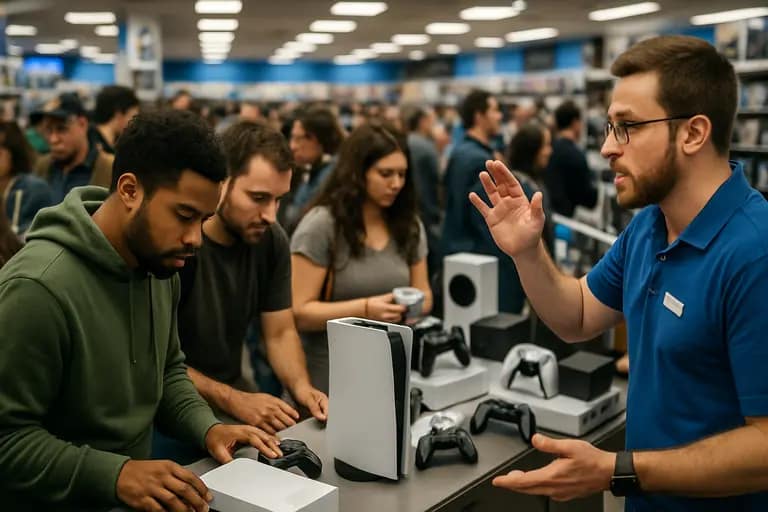
Microsoft’s stated reason, based on the research notes, is cost control: cloud gaming becomes more expensive as more people use it and play longer, with data center capacity, bandwidth, compute, and memory among the pressures. That explanation is plausible from an operating-cost perspective, but players tend to judge the change by the subscription they buy rather than by back-end economics.
Competition On Hours, Not Just Catalogs
Cloud services have often been compared through catalog size, platform support, queue times, streaming quality, and input latency. Monthly hour allowances now become another visible comparison point. The research notes cite NVIDIA’s GeForce NOW highest paid tier at up to 100 hours per month, which will likely invite direct comparisons with the 15-hour Ultimate cap. That comparison is not perfect because service models differ, but it is simple enough for players to understand: one offer includes far more streaming time than the other.
Because Xbox Cloud Gaming is tied to Game Pass, Microsoft still has strengths that pure streaming comparisons may miss. Downloadable access on console and PC is not affected by the new limits, according to the research notes. That matters for subscribers who use cloud streaming as an extra feature. It matters less for subscribers without a suitable local device. The same subscription can therefore feel generous to one household and newly restrictive to another.
Community Trust And Metered Play
Trust is the softer but significant issue. Subscriptions train players to expect stable rules. If a service moves from unlimited use to metered use, players may start asking which other benefits could change later. That reaction does not require anger or boycott language to be meaningful. Even quiet uncertainty can influence renewal decisions, especially if players were already comparing subscription spending across games, video, music, and cloud storage.
For community comparison beyond subscription platforms, player habits across browser and casual game spaces are often discussed on related network sites like Most Plays. These communities emphasize a point relevant to Xbox users: access models significantly impact how often players engage, the duration of their sessions, and the criteria they use to decide if a service fits their routine.
Xbox Cloud Gaming Hour Limits And Player Trust
The November 2026 caps do not end Microsoft’s cloud gaming offer, and the supported facts do not show how many players will leave, pay for more time, or simply stream less. The more cautious reading is that Microsoft is testing a stricter balance between cloud access and operating cost. That may be financially rational for the platform holder, but it asks players to accept a narrower definition of what their subscription includes.
Xbox Cloud Gaming can still serve casual streamers, download-first subscribers, and players who use the feature in short sessions. The harder case is the cloud-first player who saw Game Pass as a way around hardware costs. For that group, the missing overage price is not a small detail. It is the number that will decide whether the new model feels fair, expensive, or too uncertain to rely on after November 2026.