We’ve all dreamed of becoming the next Faker or Ninja, dominating the arena while fans cheer. But let’s be real—the pro player path is like trying to make the NBA while working a 9-to-5. Only 0.1% actually reach true professional status.
But there’s a whole world behind these stars. Coaches analyze gameplay like chess grandmasters. Analysts turn data into winning strategies. Hosts and shoutcasters? They’re the storytellers making every play feel epic.
The best part? These roles often offer better job security than playing. Even top gamers have an expiration date. Explore more about structured pathways in this field beyond the spotlight.
Forget the fantasy. Embrace the reality where your brain matters more than your reflexes.
Skill Sets Needed
Think gaming careers need superhuman reflexes? Think again. The gaming world is all about teamwork. It’s about combining different skills to succeed.

These roles keep esports running smoothly. Network technicians make sure games run without hitches. IT support specialists fix problems fast, so games don’t freeze up.
Creative Wizardry: The Visual Storytellers
Graphic designers make esports look amazing. They create logos and graphics that fans love. Their work makes games look professional and exciting.
Analytical Brilliance: The Data Detectives
Data analysts turn numbers into winning strategies. They find patterns that help teams win. They’re like detectives, solving puzzles to find the edge.
Management Prowess: The Orchestra Conductors
These pros keep everything running smoothly. They organize tournaments and manage teams. Without them, esports wouldn’t work.
| Skill Category | Sample Roles | Average Salary | Core Competencies |
|---|---|---|---|
| Technical | Network Technician, IT Support | $66K | Network management, hardware troubleshooting |
| Creative | Graphic Designer, Content Creator | $60K | Visual design, brand storytelling |
| Analytical | Data Analyst, Strategy Coach | $68K | Statistical analysis, pattern recognition |
| Management | Tournament Organizer, Team Manager | $72K | Project coordination, people management |
The best skills often go beyond job titles. Communication skills can solve big problems. Strategic thinking can outsmart anyone. Emotional intelligence keeps teams working well together.
It’s not just about what skills you have. It’s about how you can use them. Your customer service skills can help manage communities. Your psychology degree can help teams perform better. Your meme-making skills can make social media buzz.
Gaming jobs aren’t just about fitting into boxes. They’re about finding your unique value. Your skills might already be valuable in the gaming world. You just need to show it.
Breaking In
So, you’ve accepted reality: you’re not destined for pro gaming stardom. Welcome to the 99.9% club where the real magic happens. The landscape of pro gamer alternatives offers more opportunities than a loot box with unlimited respawns.
First rule: stop treating gaming as mere entertainment. Start approaching it as research and development. Your gameplay becomes market research. Your strategies become business plans.
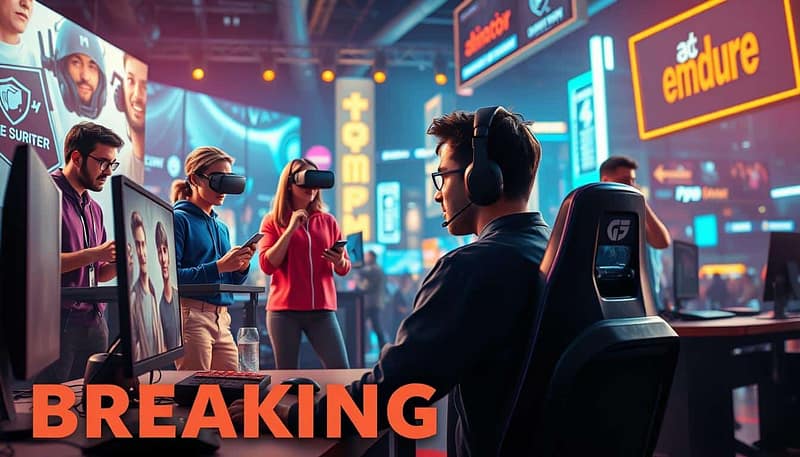
College esports programs serve as your golden ticket. Institutions like Central Michigan University now offer scholarships that actually pay you to game. Imagine getting paid to study what you love while crushing student debt.
These programs aren’t just about playing games. They’re career incubators covering:
- Esports management and marketing
- Broadcast production and streaming
- Event coordination and tournament operations
- Data analysis and performance coaching
Online communities function as your digital networking events. Discord servers, Reddit forums, and Twitch channels have become the new corporate water coolers. The connections you make here often lead to real-world opportunities.
Tournament participation matters even when you’re getting smoked like championship barbecue. It’s not about winning every match. It’s about building reputation, demonstrating sportsmanship, and showing up consistently.
Programs like USAEL’s Career Explorations offer what I call “career cheat codes.” They provide hands-on experience while you learn the industry ropes. Think of it as paid internship meets gaming bootcamp.
| Pathway | Time Investment | Career ROI | Networking Value |
|---|---|---|---|
| College Esports Programs | 2-4 years | High (degree + experience) | Extensive (campus + industry) |
| Online Communities | Ongoing | Medium (skill building) | High (global connections) |
| Tournament Circuit | Seasonal | Variable | Medium (local scene) |
| Career Programs (USAEL) | 6-12 months | High (focused training) | High (industry access) |
Breaking into esports careers isn’t about being the best player. It’s about being the most strategic career builder. The player who studies the industry map as carefully as they study game maps.
Your journey begins with shifting perspective. View every game session as professional development. Every community interaction as networking. Every tournament as resume building.
The most successful esports careers often belong to those who recognized early that the controller isn’t the only tool that matters. The real game happens off-screen.
Salary Expectations
Let’s talk numbers, because nothing says “I made it” like being paid to analyze data instead of just screaming at your screen. The esports careers salary landscape is vast and lucrative. It’s like the MCU timeline, full of interconnected and surprising opportunities.
Entry-level positions like shoutcasters might start around $40k. It’s like getting paid to be the sports commentator you practiced being in your bedroom mirror. But the real money is in the specialized roles that keep the ecosystem running.
Data scientists command $114k to analyze gameplay patterns. They’re like detectives finding winning strategies in millions of data points. AI programmers pull $115k creating bots that play better than your most toxic teammate.
Social media managers clear $116k making memes that actually go viral. Product managers sit at $117k ensuring everything works smoothly.
The real heavy hitters? Production managers at $122k orchestrate million-dollar tournaments behind the scenes. Business development managers top the chart at $140k – they convince brands that esports sponsorship beats traditional advertising.
| Position | Average Salary | Skill Focus |
|---|---|---|
| Business Development Manager | $140,000 | Sponsorship deals, brand partnerships |
| Production Manager | $122,000 | Event coordination, technical production |
| Product Manager | $117,000 | Platform development, user experience |
| Social Media Manager | $116,000 | Content creation, community engagement |
| AI Programmer | $115,000 | Machine learning, game analytics |
| Data Scientist | $114,000 | Performance metrics, strategy analysis |
The lesson here isn’t about becoming the next Faker. It’s about finding your niche in an industry that values specialized skills. You might not earn player millions, but you can stack paper thicker than a Stephen King novel.
Want to explore various esports careers and find your perfect fit? The numbers don’t lie – there’s serious money beyond the player spotlight.
Growth Opportunities
Think the gaming industry jobs market is saturated? We’re barely at level one of this RPG. The industry’s projected to hit $16.7 billion by 2033 – that’s like going from indie developer to Rockstar Games overnight.
Emerging fields are creating roles that didn’t exist five years ago. We’re talking AI ethicists, metaverse architects, and neural interface designers. The career progression in esports isn’t a corporate ladder – it’s more like a skill tree specialization.
Start as an analyst, evolve into a coach, then become a general manager. University programs now offer degrees that would make your parents stop asking “when are you getting a real job?” The vertical mobility is insane.
That intern managing social media today could be directing entire digital marketing campaigns tomorrow. The growth isn’t just upward – it’s lateral, diagonal, and occasionally backward when new technologies disrupt everything.
The opportunity isn’t just to grow your career; it’s to help grow an entire industry. For those looking to pursue a career in esports, the timing has never been better.
| Career Path | Entry Position | Mid-Career Role | Advanced Position | Emerging Specialization |
|---|---|---|---|---|
| Competitive Gaming | Junior Analyst | Head Coach | General Manager | AI Strategy Director |
| Game Development | QA Tester | Level Designer | Creative Director | Metaverse Architect |
| Esports Management | Social Media Intern | Content Manager | Marketing Director | Blockchain Integration Specialist |
| Technical Roles | Network Support | Systems Administrator | IT Director | Cybersecurity Lead |
These gaming industry jobs represent just the beginning. As technology evolves, so do the opportunities. The table above shows how diverse career paths can become.
University programs now cater to these emerging roles. They combine traditional education with cutting-edge gaming technology. This creates professionals ready for tomorrow’s challenges.
For aspiring pro gamers and industry professionals alike, the growth is unprecedented. The industry isn’t just expanding – it’s transforming.
New technologies create new roles. New games create new ecosystems. The only limit is your imagination and willingness to adapt.
Getting Noticed
To stand out in esports, you need more than just skill. You must have a sharp strategy, like Deadpool’s wit. The top pro gamer alternatives use unique ways to get noticed.
Building your personal brand through content creation is key. Make analysis videos that teach. Create eye-catching graphics and write pieces that get shared widely. Don’t just stick to gameplay clips.
Networking is like building your own Justice League. Connect with industry leaders on LinkedIn. Build relationships that open doors. Show off your skills in a portfolio.
Programs like USAEL’s Pathway Esports give you real-world experience. These esports degree pathways help you get into the industry. Your value comes from improving the whole ecosystem.
The most successful pro gamer alternatives take a complete approach. They become essential voices shaping competitive gaming’s future.