

Do you think you can make it to the top just with talent? It’s like trying to win the Super Bowl without watching any game tapes. I’ve seen many talented players reach their limits because they thought skill was enough.
The Seoul Game Coach Academy shows the power of coaching. Six teenagers learned from retired pros who pointed out small mistakes. It’s not just about playing well.
It’s about getting tough for big moments. Learning to work well with your team. And growing into a pro mindset.
The $900 million esports world doesn’t accept beginners. You shouldn’t either. Good esports coaching turns raw talent into a winning edge. It’s what makes champions, not just weekend players.
Ready to improve your game? Start with these essential tips for aspiring pro gamers to get on the right track.
Types of Coaching
Think all esports coaching is just yelling “git gud” through a headset? Think again. Today’s esports coaching world is more specialized than a medical school.
There are different coaching types, each with its own role. They help players go from good to legendary.
Mechanical coaching improves raw skills. It’s about aim training, character control, and quick reflexes. It’s like learning scales before playing Mozart.
Strategic coaching focuses on game strategy and counter-strategies. These coaches are like esports chess masters, always planning ahead.
Team dynamics coaching works on team unity. It’s like marriage counseling for gamers. It helps five talented players become a strong team.
Mental performance coaching deals with mental health. It helps manage stress, stay focused, and build resilience. Choking in big games is a big challenge.
Platforms like MentorCruise offer specialized coaching. They have coaches for everything from game management to community building. Running an esports team today needs more than just game knowledge.
The Esports Tower Approach™ has 12 levels of development. It’s a structured system that impresses corporate training programs.
Choosing the right esports coach is like picking the right weapon for your hero. The wrong choice can be disastrous. The right one gives you a big advantage.
Before hiring a coach, think about what you need to improve. The right coach can make a huge difference.
Where to Find Coaches
Remember when finding a good coach was hard? You had to search through shady forums at 3 AM. Those days are gone. Now, finding a coach is much easier.
Today, you can choose from many options. There are bootcamps and online mentorship platforms. Seoul’s Game Coach Academy offers intense programs. It’s perfect for those willing to move to South Korea and focus on esports.
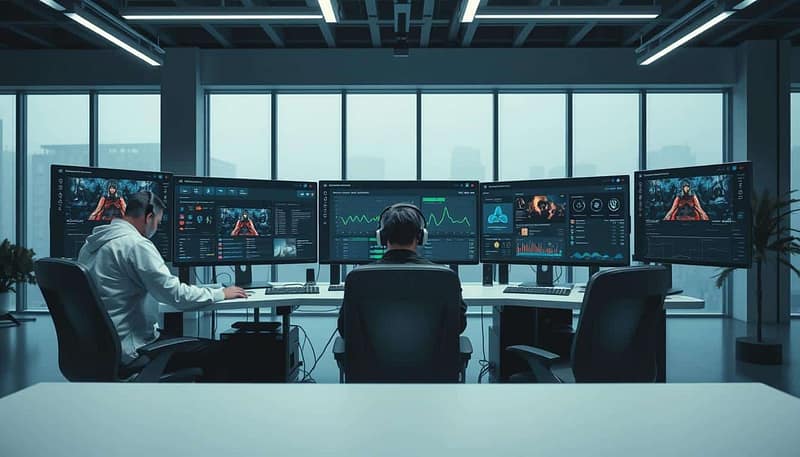
Esports Tower offers structured coaching with ethics. They’re like the Boy Scouts of esports coaching. Their certification ensures coaches are knowledgeable.
MentorCruise is a game-changer. It connects you with professionals from big companies like Activision and Google. It’s like LinkedIn for gamers, but actually helpful.
| Platform | Specialty | Price Range | Best For |
|---|---|---|---|
| MentorCruise | Industry professionals | $60-$300/month | Career coaching & networking |
| Game Coach Academy | Immersion training | Program-based pricing | Total skill transformation |
| Esports Tower | Certified coaching | Tiered packages | Ethical, structured development |
Pro tip: Always check if a coach is legit. Don’t waste money on someone who’s stuck on a game forever. Look for coaches who are currently working in the industry.
Read reviews carefully. The right pro gaming coach can make you a pro. But, if it sounds too good to be true, it probably is.
Now, finding a good mentor is like investing in your future. Your esports career will thank you for doing your research.
What to Expect in a Session
Expecting casual gameplay in your first esports coaching session is like showing up to Navy SEAL training with floaties. The reality hits faster than a headshot from a pro sniper.
Coaches don’t gently suggest improvements – they demand excellence. At places like Game Coach Academy, you’ll hear constant feedback shouted across the room. “Don’t get sloppy!” becomes your new mantra.
VOD reviews turn into cinematic analysis sessions. Every micro-decision gets scrutinized with the intensity of film critics debating Scorsese’s best work. Did you rotate 0.3 seconds late? That’s a paragraph in your performance review.
The drills feel more repetitive than your daily commute. Targeted practice exercises hammer fundamentals until they become muscle memory. You’ll practice specific moves hundreds of times until perfection.
Homework assignments would make your college professor proud. Between sessions, you’re expected to log serious practice hours. Korean pros routinely put in 40+ hours weekly – and that’s just their warm-up.
Organizations like Esports Tower mandate 3.5 hours weekly minimum for structured sessions. But the real transformation happens during those lonely hours between meetings.
This intense approach delivers significant esports coaching benefits that separate casual players from competitive champions.
| Session Component | Time Allocation | Primary Focus | Intensity Level |
|---|---|---|---|
| VOD Review | 60-90 minutes | Strategic Analysis | High (Mental) |
| Targeted Drills | 45-60 minutes | Mechanical Skills | Extreme (Physical) |
| Live Practice | 60-75 minutes | Team Coordination | High (Both) |
| Homework Assignments | 10-15 hours weekly | Skill Reinforcement | Variable |
Quality esports training advice focuses on transforming weaknesses into strengths. Coaches identify patterns you never noticed and create customized improvement plans.
Bring your A-game, your notebook, and your thick skin. They’ll break down your gameplay, rebuild it stronger, and push you beyond perceived limits. The session might break you first – but that’s how champions get built.
Common Coaching Techniques
Ever wonder how top esports coaches turn average players into champions? They use advanced techniques that would impress even Sherlock Holmes. These methods include sharp analysis and practice that pushes players to their limits.
VOD review is key in esports coaching. Coaches study match footage like detectives, finding patterns and mistakes. They focus on every detail, from positioning to missed chances.
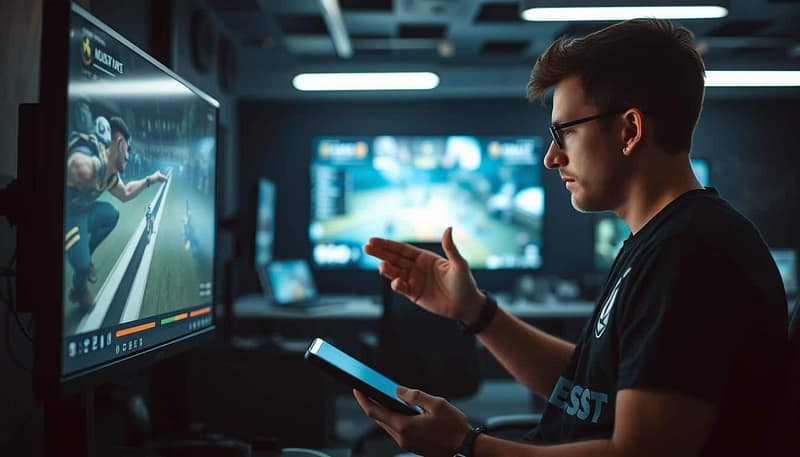
Coaches also work on mechanical skills. They do aim drills and movement exercises to improve. These sessions focus on specific skills until they become second nature.
Good communication is vital in esports coaching. It’s not just about saying “he’s over there!” Coaches teach clear callouts and how to filter information. They create systems that help teams work together smoothly.
Statistical analysis helps find weaknesses. Elite esports coaching uses data to show how playing late affects performance. It reveals mistakes with certainty.
Studying opponents is another key skill. Coaches analyze rival teams like they’re studying for exams. This helps teams prepare for opponents’ moves.
Mental training is also important. It helps players handle pressure and bounce back from losses. Coaches teach techniques for staying calm under pressure.
| Technique | Primary Focus | Impact Level | Time Investment |
|---|---|---|---|
| VOD Review | Strategic Analysis | High | 2-4 hours weekly |
| Mechanical Drills | Individual Skill | Medium-High | Daily 30-60 min |
| Communication Training | Team Coordination | Critical | 1-2 hours weekly |
| Statistical Analysis | Pattern Recognition | High | 1-3 hours weekly |
| Opponent Scouting | Strategic Preparation | Medium-High | Varies by match |
The best esports coaching combines these techniques into a plan. They show players how, why, and when to improve. This leads to players who understand the game deeply and teams that work together seamlessly.
This approach to esports coaching turns players into leaders. They don’t just react; they control the game. The journey from casual player to pro athlete is through this detailed, data-driven process.
Success Metrics
Measuring coaching success is more than just K/D ratios. It’s about securing contracts, not just getting frags. Our metrics are advanced, focusing on real results, not just numbers.
We look at how players improve in specific skills. Aim accuracy and communication are key. Tournament wins are what truly matter.
Success is seen in professional placements. For example, “Fate” joining the Los Angeles Valiant shows real growth. It’s not just about getting better—it’s about changing the game.
Platforms like Esports Tower track progress with detailed reports. They analyze everything from economy management to ultimate ability timing. It’s the science of esports analytics meeting the art of winning.
The ultimate goal is to become a threat, not just a student. When teams study you, you know you’ve made it. That’s true success.
If your esports coach can’t show real results like tournament wins or professional signings, they might not be the best. Success means more than just a gold border in ranked play. It means real achievements that pay the bills.
DIY Coaching
Can you coach yourself to pro status? Yes, you can, just like doing your own dental surgery. But it takes monk-level discipline, which most gamers lack.
Self-coaching means reviewing VODs with harsh honesty. You need to make specific training plans, avoiding biases. Networking also becomes a big part of your job.
Choi Tae-min from Game Coach Academy practiced for 10 hours on Sundays. This shows the dedication needed for DIY coaching. Yet, even legends like Faker got help on their way.
Being self-coached is like a chef tasting only their own food. You lose sight of what really works. Sometimes, the best DIY move is to get a pro gaming coach.
Being a pro gaming coach can be flexible and lucrative. But it’s competitive. You must market yourself well and have a unique coaching style.
Becoming a successful pro gaming coach takes time and effort. Success won’t happen overnight. But for those with skill and teaching talent, the rewards are worth it.