

What do League of Legends pros and Olympic swimmers have in common? Both live on caffeine, muscle memory, and strict schedules. When Fnatic’s CS:GO team prepared for Dreamhack Masters 2019, their esports practice routines were intense. They did target drills, debriefs, and timed their sleep to the second.
Biofrost’s 20-hour gaming sessions were seen as crazy or brilliant. The truth is, they were just structured combat strategies. These strategies turn random button presses into precise tactics. Modern pros don’t just play games; they analyze them like chess masters.
Raw talent is for beginners. Today’s top players treat their keyboards like violins. They spend hours tracking their performance, aiming for perfection. This has turned training regimens for competitive gamers into a science. And their games are like personal achievements.
So, what makes a gamer a contender, not just a spectator?
Introduction
The gap between casual gaming and esports professionalism isn’t just about numbers. It’s a deep mental challenge. I learned this the hard way when a 16-year-old Street Fighter player beat me using special training. His secret? A mix of strict training and relaxation, like yoga.
Today, colleges treat Fortnite like football. NACE reports 170+ varsity esports teams in 2023, up from 63 in 2018. It’s not just about getting scholarships. It shows that a competitive gaming mindset needs a solid plan, like the Navy SEALs.
| Casual Traps | Pro Habits | Impact Multiplier |
|---|---|---|
| Grinding 8-hour sessions | 90-minute focused blocks | Prevents decision fatigue |
| Watching Twitch for fun | Analyzing frame data | Builds predictive instincts |
| “Just one more match” | Post-game journaling | Accelerates pattern recognition |
That kid who beat me? He practiced combos like chess, using interval repetition and stretching. He showed that being flexible can improve your gaming skills more than fast monitors. The key to success? Seeing your body as a gaming tool.
This isn’t just playing games. It’s a mental battle, training your brain to react before you even think. Yes, that means meditating after matches. Your future self and sponsors will appreciate it.
Elements of a Pro Training Schedule
You might remember that scene in Rocky IV with Drago’s training montage? It’s not like that anymore. Today, esports training is more like Tony Stark’s garage. It’s all about combining three key areas that most gamers overlook.
The Trinity of Competitive Readiness
Forget the “git gud” culture. Pros know that improvement is like a science. Get one thing wrong, and it’s like making a drink that tastes like Mountain Dew.
Cognitive
ISPO.com’s research shows a surprising fact: Jeopardy champs have better APM than many gamers. They use memory palace exercises to remember things like 15th-century monarchs. This helps them track enemy cooldowns.
Ever seen a Valorant pro play Simon Says fast? That’s their Tuesday.
Physical
Fnatic’s secret isn’t a $300 mouse. It’s grip strengtheners shaped like Overwatch characters. Players squeeze Widowmaker’s torso during loading screens to keep their hands flexible.
They also do posture drills. These are so intense that your Discord slouch just flinched.
Strategic
Team Liquid’s “macro play” drill is intense. Coaches yell wrong calls through headsets during matches. It’s like solving a Rubik’s Cube while being bombarded with tomatoes.
The result? Players adapt quickly, faster than Twitter trends. Last season’s strategy is already old news.
This combination isn’t just theory. It’s what makes pro gamers different from casual players. Want proof? Watch any pro’s Twitch stream between matches. You’ll see more esports drills than actual gameplay.
In-Game Practice
Do you think playing Valorant for eight hours will make you better? Think again. Your brain gets tired after 90 minutes. The key to pro gaming isn’t how long you play, but how well you use your brain.
Structured Grinding vs. Mindless Play
Have you ever seen a pianist just hitting keys randomly? That’s what most gamers do. But top esports players practice like skill surgery. They focus in short, intense sessions, not long, boring ones.
Digital Fitness OG found that short, focused practice is much better. It boosts retention by 300% compared to long, mindless play.
Target Acquisition Drills
CS:GO pros don’t just warm up. They do aim lab rituals like they’re in The Matrix. Studies show that playing Japanese bullet hell games for 15 minutes is better than playing deathmatches for hours.
It’s like training your eyes to dodge fast-moving objects. This sharpens your peripheral vision.
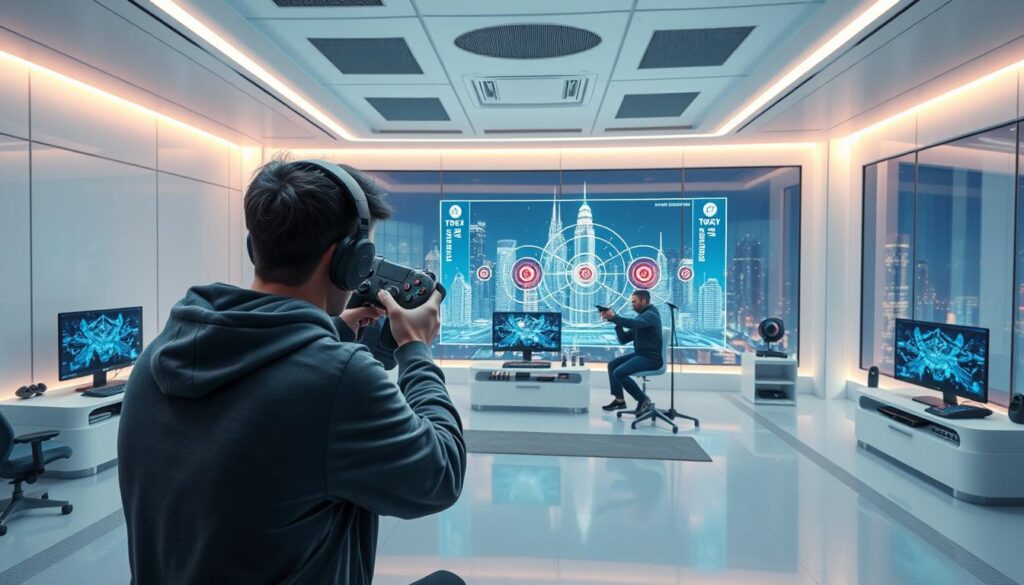
League of Legends players practice last-hitting like pianists. One Korean player streams his routine, practicing for 45 minutes a day. He uses rythmic metronomes to improve.
Another player used Street Fighter combo notation to map out Wingman shots. He landed 87% more headshots in just two weeks.
Map Awareness
Pros don’t just learn maps. They become the map. One Overwatch coach has players draw routes blindfolded while reciting spawn timers. It’s like learning cartography through muscle memory.
This method makes players 0.3 seconds faster than those with triple the playtime.
VOD Review
Watching your own gameplay fail is like rewatching your middle school talent show – it’s cringe. But, top esports orgs treat VOD review like autopsies for digital corpses. They dissect mistakes with precision. FC Nürnberg eSports turns this process into a science, making cringe into competitive currency.
Forensic Analysis of Failure
Pro teams don’t just watch replays – they interrogate them. Evil Geniuses analysts use CIA debriefing techniques. They ask footage three magic questions:
- What did you know?
- When did you know it?
- Why did you ignore it?
Micro Errors
That grenade toss whiff? Freeze it. Zoom in. One pro player fixed his “pullout anxiety” by analyzing 47 failed attempts. Our verdict? Mouse tremors are 90% mental.
Macro Misplays
Map rotations aren’t ballet – they’re chess. Track time stamps like a conspiracy theorist. FC Nürnberg’s coaching staff found 83% of late-game collapses come from minute 4:37 resource misallocations.
Meta Misreads
Did you bring a knife to a drone fight? Catalog opponent loadouts like profiling serial killers. The current meta’s DNA changes faster than TikTok trends – miss one patch note and you’re yesterday’s meme.
Build your “shame reel” progress tracker using this pro template:
| Mistake Type | Frequency | Fix Timeline |
|---|---|---|
| Micro (Aim/Utility) | 3x/match | 2-week drill focus |
| Macro (Positioning) | 1.5x/match | Meta analysis + esports drills |
| Meta (Loadouts) | 0.5x/match | 24-hour patch review |
Remember: Every pro’s highlight reel sits atop a mountain of deleted VODs. The difference between trash and triumph? How willing you are to smell your own garbage.
Physical Wellness
Your “ergonomic” gaming throne is not as supportive as it seems. It’s like a folding lawn chair at a Wimbledon final. True physical preparation for esports means recognizing that your body isn’t designed to wage digital war for 14 hours straight. The athlete’s paradox is how to keep Formula 1 reflexes in a body that feels like a couch potato.
The Athlete’s Paradox
Pro gamers face the same injuries as concert pianists, but with fewer cheers. Fnatic’s pre-tournament ritual includes hand massages like dough at an artisanal bakery. This is because the “best gear for esports pros” can’t prevent injuries when your thumbs look like overcooked spaghetti.
Korean PC bangs have known this for years. They enforce carpal tunnel prevention routines as strict as a Valorant headshot angle.
Hand Yoga: The Finger Row Workout
Forget thumbstick dominance – try these ISPO.com-approved moves:
- Claw Decompression: Stretch fingers wide like you’re trying to catch a drone, hold for 8 seconds
- Wrist Waves: Rotate joints clockwise like tuning a vintage radio dial
- Trigger Finger Massage: Apply pressure to palm muscles – hurts so good
Posture Reset Protocols
Your gaming chair’s 135-degree recline is a one-way ticket to Hunchback of Notre Dame cosplay. Real posture science looks more like:
- Every 25 minutes: Stand like meerkat scanning for predators
- Shoulder blade squeeze – imagine cracking a walnut with your back muscles
- Chin tucks so aggressive you could nod along to death metal
Blue Light Warfare
Staring at screens turns your eyes into dried apricots. The fix?
- 20-20-20 rule: Every 20 minutes, stare at something 20 feet away for 20 seconds
- Night light filters that make your screen look like a sepia-toned Western
- Blue-blocking glasses – because looking like Neo from The Matrix beats retinal burnout
Remember: physical preparation for esports isn’t about becoming an Olympian. It’s about making sure your meat-suit can keep up with your machine. Now go stretch – your K/D ratio will thank you later.
Tracking Progress
Imagine Warren Buffett looking at headshot percentages instead of stocks. Pros don’t just count kills; they watch patterns. While casual players focus on K/D ratios, top gamers look at metrics that show their future. Esports Earnings data shows players who track neural fatigue last 3.2 years longer than others.
Metrics That Matter
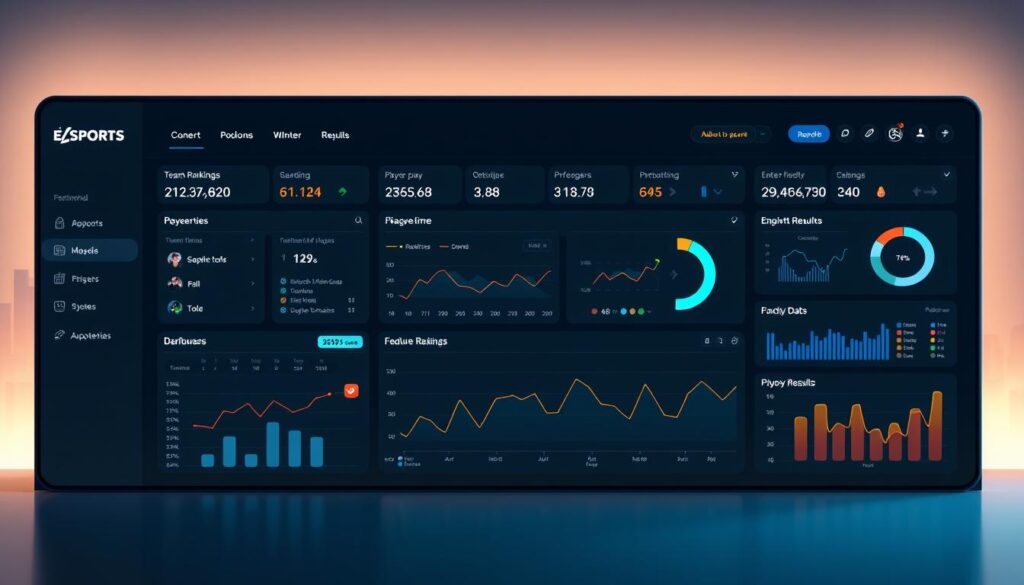
Forget what you think about tracking stats. The secret of pros is treating gameplay like trading. Team Liquid uses a dashboard, like Bloomberg for gamers, to track three key metrics:
- APM Decay Rate: Shows how your actions-per-minute drop from hour 1 to hour 6 of practice
- Objective Conversion IQ: Figures out successful plays per 100 resource units spent (needs Riot’s hidden API data)
- Volatility Index: Measures consistency across matches using Black-Scholes model adaptations
Here’s how to analyze your stats like a pro:
- Export match data to Google Sheets (template linked below)
- Calculate 7-day moving averages for key metrics
- Compare personal volatility against pro benchmarks
- Identify patterns causing 4th-game performance drops
The Dallas Fuel Overwatch team boosted objective conversion by 37% in 2023. Their coach said: “We don’t practice aim – we practice decision density.” They also cut burnout-related errors by 62% with predictive fatigue modeling.
Pro tip: Track your “mental margin” – the gap between your best and worst performances. Narrowing this spread is more important than getting flashy headshots. As any Wall Street quant turned esports coach will say: Consistency beats highlight reels every time.
Overcoming Plateaus
Every gamer faces a digital challenge like Sisyphus’ boulder at some point. Hours of practice may not improve as much as you’d like. This isn’t because you’re getting worse; the game is just getting harder.
Plateaus are not failures. They are puzzles that need careful solving.
Breaking Through Skill Ceilings
Pro players see plateaus as puzzles to solve. They check everything from their router to last season’s game updates. Here are three common career killers:
Input Lag: The Ghost in the Machine
When your aim is off, it might be because of invisible delays. Top coaches do hardware autopsies:
- Test mouse DPI against in-game sensitivity (yes, your “perfect” settings might be lying)
- Swap USB ports like a paranoid spy changing safehouses
- Benchmark monitors using pro tools – your eyes can’t detect 7ms vs 12ms, but your K/D ratio can
Decision Fatigue: The Brain’s Frame Drop
Ludwig Artzt’s research shows pros make fewer good plays after 90 minutes. To fight mental fatigue, try:
- 20-minute “tactical resets” (stare at a wall, not your phone)
- Pre-match memory drills that simulate high-pressure scenarios
- Hydration hacks – dehydration slows cognitive speed more than outdated drivers
Meta Shifts: Gaming’s Secret Soft Resets
When the game changes, you must adapt or fall behind. The Valorant team NRG uses “meta immersion” cycles:
| Phase | Activity | Duration |
|---|---|---|
| Analysis | Study patch notes like Talmudic texts | 2 hours |
| Experimentation | Test forbidden strategies in casual matches | 1 week |
| Implementation | Main new tactics until muscle memory rebels | 3 weeks |
Unlearning bad habits is hard, like trying to forget your ex’s phone number. It takes effort and sometimes buying a new mouse to reset your muscle memory.
Sample Schedules
Ever wonder what makes pro gamers different from weekend warriors? Let’s look at a day in their life. It’s like a CEO’s schedule, but with more gaming and less work.
24 Hours With the Pros
A top DOTA 2 team’s schedule is so precise, it’s like Swiss trains are late. They use Smash Bros Ultimate for MOBA training. It’s a great way to improve teamwork, thanks to Pikachu’s spikes.
AM Cognitive Load
Japanese arcade legends wake up at 4:55 AM. It’s a clever trick to start the day. They do strategy drills and reaction tests, using the “post-sleep clarity window“. Plus, you’ll get to the coffee maker first.
PM Mechanics
Afternoons are for scrim practices that feel like military drills. Here’s what one team does:
- 15-minute “aim labs” using modified rhythm games
- Role-swap sessions (support players forced to carry – chaos ensues)
- Post-match debates judged by their coach (think: esports Shark Tank)
Night Meta Study
While rookies play ranked matches, veterans study patch notes like scholars. Pro tip from Overwatch League’s Kevin Reiser: His jogging before tournaments isn’t just for fitness. It’s to improve his spatial awareness better than any video review.
| Activity | Rookie Allocation | Veteran Allocation |
|---|---|---|
| Scrim Blocks | 6 hours | 4 hours |
| Breaks/Naps | 23 minutes | 2 hours |
| Meta Analysis | 45 minutes | 3 hours |
The chart shows naps are key for elo boosts. That’s why veterans look well-rested, like zombies who got a good night’s sleep.
Adapting Regimens
Esports changes fast, like Tracer’s blink. What’s good today might be gone tomorrow. For competitive gamers, staying up-to-date is essential.
Teams in the NACE program see updates as critical. They analyze changes carefully. Casual players might quit over small changes.
Patch Note Autopsies
Pros don’t just read patch notes; they dissect them. A 5% damage cut to Widowmaker’s rifle? That’s a big deal. It’s a wake-up call for sniper fans and a celebration for those who love diving.
Top teams even bet on which hero will get nerfed next. It’s like Fantasy Football meets Metal Gear Solid strategy.
Counter-Strategy Development
When Riot buffs Zed’s shadow dash, you need new strategies. Korean coaches work fast to create counter-plays. They adapt quickly, like Navy SEALs studying enemy terrain.
Input Meta Shifts
Your gear isn’t set in stone. When Apex Legends changes strafe speeds, pros quickly adjust. They test everything, from mouse response to chair comfort.
Razer and Logitech have secret labs for this. Engineers there work hard, just like Bronze rankers in the final circle.
Don’t get left behind. Update your training fast. Meta shifts are opportunities, not obstacles. Stay quick, or your best moments will be forgotten.